
Cochlear implants have changed the lives of millions of people with severe hearing loss, helping them reconnect with their loved ones, regain confidence, and experience the world of sound again. Fortunately, modern medicine has made incredible strides in restoring the ability to hear. Among these breakthroughs, cochlear implants stand out as a transformative technology that not only helps patients detect sound but also rebuilds the bridge to speech, emotion, and connection. Unlike hearing aids, which merely amplify sound, cochlear implants bypass the damaged inner ear and directly stimulate the auditory nerve, giving many people the gift of sound again.
However, for patients and families exploring this option, the biggest question often revolves around cost. How much does a cochlear implant surgery cost? Why do prices vary so much across countries? What’s actually included in those medical packages offered by hospitals and medical tourism providers?
The answer depends on where you go, the implant brand, and the support services included. This comprehensive global guide explains what cochlear implants are, the types available, what influences the cost, how prices vary across countries, and what’s included in surgery packages so you can make an informed, confident decision about your hearing health or your loved ones.
This comprehensive guide addresses all those questions and more. We’ll bring out insights drawn from medical research and global healthcare data. This article aims to help you understand the true value of cochlear implantation not just in terms of cost, but in terms of life-changing benefits.
We’ll explore the science behind cochlear implants, their different types, what influences pricing, global cost comparisons, and how to navigate insurance, financing, and post-surgical rehabilitation. Whether you’re a patient, parent, or caregiver, this guide is designed to equip you with everything you need to make an informed and confident decision about your hearing health wherever in the world you choose to receive care.
What Is a Cochlear Implant?
A cochlear implant is a small but sophisticated electronic device designed to help individuals with severe to profound sensorineural hearing loss(SNHL), especially those who gain little or no benefit from hearing aids.
While traditional hearing aids amplify sound waves to make them louder, cochlear implants work differently; they convert sound into electrical signals that directly stimulate the auditory nerve, enabling the brain to perceive sound.
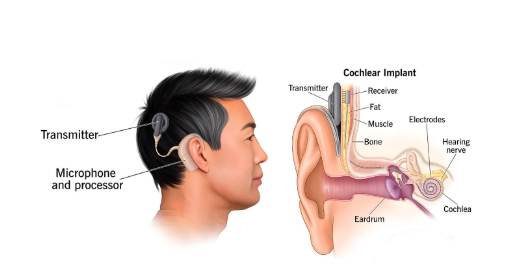
The device has two main components:
- External Sound Processor: This is worn behind the ear. It captures sound, filters it, and converts it into coded digital signals.
- Internal Implant: This part is surgically placed under the skin behind the ear and connected to electrodes inserted into the cochlea. The electrodes send electrical impulses to the auditory nerve, bypassing the damaged parts of the inner ear.
Patients who receive cochlear implants often report significant improvements in speech understanding, social communication, and emotional well-being. The ability to engage in conversations, listen to music, and respond to environmental sounds can greatly enhance independence and quality of life.
Types of Cochlear Implants Patients Choose
Choosing the right type of cochlear implant is one of the most important steps in the treatment journey. Every patient’s hearing profile, medical history, and lifestyle are unique, so specialists tailor the choice of implant system accordingly. Understanding the differences between the available options can help patients and families feel confident and informed before surgery.
Here are the main types of cochlear implants and how each one can serve different hearing needs:
1. Unilateral Cochlear Implant
A unilateral cochlear implant involves implanting the device in one ear. It is the most common and widely used option, particularly for adults or children who have profound hearing loss in one ear or whose insurance covers one implant at a time.
Patients often start with a unilateral implant to test how well they adapt to the new hearing experience. In many cases, the results are so positive that they later opt for a second implant to balance sound on both sides.
Advantages:
- More affordable than bilateral implantation.
- Provides clear hearing on one side, which significantly improves speech comprehension.
- Shorter surgery and recovery time.
- Easier adaptation for new users who are learning to process electrical hearing.
Considerations:
- Sound localization (knowing where a sound is coming from) may still be limited since hearing is restored to only one side.
- In noisy settings, distinguishing speech from background noise can be more challenging than with bilateral implants.
Still, for many patients, a unilateral implant is a life-changing first step that restores communication and confidence in social and professional settings.
2. Bilateral Cochlear Implants
A bilateral cochlear implant involves placing an implant in both ears, either at the same time (simultaneous implantation) or in two separate surgeries (sequential implantation). This approach closely mimics natural hearing, where both ears work together to process sound.
Studies show that bilateral users often experience better sound localization, improved hearing in noisy environments, and more natural sound perception. This is particularly beneficial for children learning speech and language, as well as adults who work in environments with high background noise.
Advantages:
- Enhanced spatial awareness, users can tell where sounds are coming from.
- Greater ability to distinguish speech in crowded or noisy environments, such as restaurants or workplaces.
- More balanced and natural sound perception.
- If one implant experiences technical issues, the other ear continues functioning, providing auditory backup.
Considerations:
- The overall cost is higher, as two devices and two surgeries are involved.
- The adaptation process may take slightly longer since the brain is learning to interpret inputs from both sides.
- Some insurance plans or government programs may only cover one implant, making out-of-pocket expenses a factor.
Despite these considerations, bilateral implants are increasingly common, especially in children and younger adults, because they maximize hearing potential and long-term outcomes.
3. Hybrid Cochlear Implants (Electric-Acoustic Stimulation Systems)
Some individuals retain useful hearing in the low-frequency range (deep sounds such as drums or male voices) but struggle to hear high-frequency sounds like birds chirping or consonants in speech. For them, hybrid cochlear implants, also known as electric-acoustic stimulation (EAS) systems, offer the best of both worlds.
These devices combine a hearing-aid-like acoustic component to amplify lower-frequency sounds with a cochlear implant electrode array that delivers electrical stimulation for higher frequencies.
Advantages:
- Preserves residual natural hearing in the implanted ear.
- Produces richer, more natural sound quality by blending electric and acoustic hearing.
- Especially useful for adults who have gradually lost high-frequency hearing but still detect low tones.
- Often associated with better music appreciation and sound clarity.
Considerations:
- Not suitable for everyone, candidacy depends on how much residual hearing remains.
- Requires careful fitting and ongoing audiological adjustments to balance both acoustic and electric inputs.
- If natural hearing declines further over time, full cochlear implant programming may be needed.
Hybrid systems are a game-changer for those who don’t fit neatly into the traditional implant category, offering flexibility and preservation of natural sound sensations.
4. Pediatric Cochlear Implants
For children born deaf or who lose hearing early in life, early cochlear implantation can profoundly influence language development and learning. Pediatric implants are designed to be durable, comfortable, and adaptable as the child grows.
Surgery can be performed as early as 12 months of age, depending on the child’s health and medical evaluation. The goal is to expose the developing brain to sound as soon as possible so it can build neural pathways for listening and speech.
Benefits:
- Stronger language acquisition and speech clarity.
- Improved educational and social integration.
- Greater independence and self-confidence as the child matures.
Parents and caregivers also play a vital role, participating in post-implant rehabilitation and speech therapy to help the child adapt successfully.
5. Advanced or Upgradeable Cochlear Systems
Technology in cochlear implants is advancing rapidly. Many leading brands now offer upgradeable implant platforms, allowing users to replace or enhance their external processors without undergoing new surgery.
Modern systems may include:
- Wireless connectivity with smartphones and TVs.
- Waterproof processors for swimming or sports.
- Rechargeable batteries and remote fine-tuning via mobile apps.
While these systems may cost slightly more initially, they save money long-term by reducing the need for frequent replacements and improving everyday convenience.
Choosing the Right Type for You
Selecting the right cochlear implant involves several steps:
- Comprehensive evaluation by an ENT specialist and audiologist.
- Hearing tests and imaging (CT/MRI) to determine the extent of inner-ear damage.
- Lifestyle assessment, work environment, communication needs, and recreational habits.
- Discussion of goals and expectations between the patient, family, and medical team.
In most cases, the medical team will provide a personalized recommendation that balances clinical outcomes, cost considerations, and quality-of-life improvements.
Cochlear Implant Price across the World
The cost of cochlear implant surgery varies widely across regions. It depends on the hospital, the surgeon's expertise, the implant model, and the healthcare system structure.
Below is a snapshot of global pricing averages based on published studies and hospital data:
| Country | Average cost (USD) | Inclusions |
|---|---|---|
| United states | $30,000-$50,000 | Surgery, device, initial programming |
| India | $10,000-$18,000 | Surgery, device, rehab, hospital stay |
| Turkey | $15,000-$22,000 | Surgery, device, post-op care |
| Thailand | $18,000-$25,000 | Surgery, device, accommodation |
| Mexico | $12,000-$20,000 | Surgery, device, follow-up therapy |
Prices fluctuate based on hospital reputation and package inclusions, but in general, developing countries like India and Mexico offer world-class cochlear implant programs at 40–60% lower prices than in the U.S. or Europe. This makes them prime destinations for medical tourism.
Global Cost Insights and International Trends
Europe
In Germany, the average lifetime cost of a unilateral cochlear implant in adults is about €53,000, with the initial surgery and device making up the largest portion.
In France, the mean cost per adult is around €31,946, while in the Netherlands, total healthcare costs for an adult user (including aftercare) may reach €117,000.
Countries such as Sweden and Finland have publicly funded cochlear implant programs, meaning patients pay little to nothing. In Finland, studies show a cost-effectiveness ratio of €14,528 per quality-adjusted life year (QALY) well within acceptable healthcare thresholds.
Asia-Pacific
In Australia, treatment costs range from AUD$34,000–$44,000, while Singapore reports an average of USD$28,000 for the device plus USD$5,000 for surgery.
India, in comparison, provides the same procedure, device, and rehabilitation for as low as USD$10,000–$18,000, making it one of the most affordable destinations for high-quality care.
United States and Canada
The U.S. remains one of the most expensive countries, with total treatment costs ranging from $40,000 to $60,000. Insurance coverage is common but may not include rehabilitation or processor upgrades.
Canada, on the other hand, offers partial or full funding through provincial health systems, though wait times may be longer.
What’s Included in Cochlear Implant Packages
When comparing treatment quotes, it’s important to know exactly what’s included in the package. A comprehensive cochlear implant package typically covers:
Pre-surgical Evaluation
Detailed hearing tests, imaging (CT/MRI), consultations with ENT and audiology teams.Surgical Procedure
Surgery is performed under general anesthesia by a certified ENT surgeon.Cochlear Implant Device
Choice of brand, model, and accessories (e.g., waterproof kit, remote controls).Hospital Stay
The stay is usually 1–2 days, including post-surgical monitoring and medication.Initial Activation and Mapping
The device is activated 2–4 weeks after surgery, customized for your sound preferences.Post-Operative Care
Wound checks, processor fine-tuning, and ongoing follow-ups.Rehabilitation and Speech Therapy
Rehabilitation and speech therapy are crucial for adapting to new hearing sensations and improving speech comprehension.
For international patients, many hospitals also include airport transfers, interpreter assistance, and hotel stays, creating a smooth and stress-free medical travel experience.
Cochlear Implants vs. Hearing Aids: Key Differences
| Feature | Hearing aids | Cochlear implants |
|---|---|---|
| Mechanism | Amplifies sound | Directly stimulates the auditory nerve |
| Suitable for | Mild to moderate hearing loss | Severe to profound hearing loss |
| Surgery required | No | Yes |
| Sound clarity | Limited in severe loss | Clearer, more natural sound |
| Average cost (per year) | $1000-$6000 | $10,000-$50,000 |
While hearing aids are an excellent first-line option, cochlear implants become the treatment of choice when hearing aids no longer provide adequate clarity or speech recognition.
What to Expect During the Cochlear Implant Journey
Assessment and Candidacy Testing:
Comprehensive hearing, speech, and imaging tests determine eligibility.Surgery:
Conducted under general anesthesia; takes about 2–3 hours. Patients are usually discharged within 24–48 hours.Healing Period:
The surgical site heals in about two weeks, after which activation is scheduled.Device Activation (Switch-On):
The sound processor is connected and programmed for your comfort and clarity.Rehabilitation Phase:
Continuous auditory training, speech therapy, and mapping sessions help patients adapt to hearing through the implant.
Many patients report progressive improvement in sound understanding and speech perception over the first six months.
Cochlear Implants Cost after Insurance, and how much is covered by Insurance?
When considering surgery, one of the biggest concerns for families is the cochlear implants with insurance. Fortunately, many private and public insurance plans now recognize cochlear implantation as a medically necessary procedure rather than a cosmetic one. This means that a significant portion of the total expenses, including the device, surgery, hospital stay, and initial programming, may be partially or fully covered.
In countries like the United States, Canada, Australia, and India, coverage often depends on the insurer, medical indication, and the patient’s age. For instance, most U.S. insurance providers, including Medicare and Medicaid, cover cochlear implants for patients who meet specific hearing criteria. Similarly, in India, several state health schemes and corporate insurance plans reimburse up to 70–90% of the treatment cost at empaneled hospitals.
However, patients should note that post-surgery therapy, upgrades, and maintenance costs may not always be included. It’s essential to discuss all details with both your healthcare provider and insurance company in advance to avoid surprises. With proper documentation and medical justification, cochlear implants cost with insurance can become far more manageable and accessible for families worldwide.
Global Insurance Coverage for Cochlear Implant Surgery
| Country | Average cost (USD) | INSURANCE COVERAGE (%) | Inclusions | Considerations |
|---|---|---|---|---|
| USA | $40,000-$60,000 | 80-100% (Medicare, Medicaid) | Device, surgery, hospital stay, initial mapping | Requires audiological and ENT evaluation before approval |
| India | $12,000-$20,000 | 70-90% (Private insurance companies) | Device, surgery, hospital stay | Post-surgery therapy is often billed separately |
| United kingdom | $25,000-$35,000 | 100% (NHS) | Surgery, implant, rehabilitation | Only for patients meeting NHS eligibility |
| Australia | $25,000-$40,000 | 75-100% (Medicare & private insurance) | Device, surgery, initial programming | Children and veterans receive higher subsidies |
Financing and Support Options
For patients without full coverage, several practical financing routes can help make treatment accessible:
- Medical Loans: Many hospitals have partnerships with lenders offering low-interest plans.
- Charitable Foundations: NGOs like the Hear the World Foundation and Cochlear Implant Awareness Foundation offer partial funding.
(https://www.hear-the-world.com/, Cochlear Implant Awareness Foundation) - Crowdfunding: Online campaigns on sites like GoFundMe or Ketto can raise community support.
- Government Schemes: Countries like India and Brazil have reimbursement or subsidy programs for eligible patients.
Discuss your options with your medical tourism coordinator, who can guide you through paperwork and eligibility.
Factors That Influence Cochlear Implant Cost
Several variables impact the final cost:
- Implant Device Brand and Model: Premium models with advanced connectivity cost more.
- Surgeon’s Experience: Highly specialized otologic surgeons may charge higher fees but offer better outcomes.
- Hospital Accreditation: JCI- or NABH-accredited hospitals ensure global standards, which can slightly increase prices.
- Aftercare Needs: Pediatric and bilateral cases often require longer rehabilitation and higher overall costs.
- Geographic Location: Developed countries have higher procedural and device costs due to healthcare pricing structures.
In general, the implant device itself accounts for 60–70% of total expenses.
Cost-Effectiveness and Long-Term Value
Numerous studies confirm that cochlear implantation is cost-effective and life-enhancing, particularly when performed early. Beyond improving hearing, implants enhance education, employment, and social participation, often offsetting initial costs through improved quality of life and productivity.
While bilateral implants are less cost-effective than unilateral ones, they may be justified in children and patients who rely on sound localization for safety and professional needs.
FAQs about Cochlear Implant Surgery
Q: How long does a cochlear implant last?
The internal implant is designed to last a lifetime. The external sound processor typically needs replacement every 5–10 years.
Q: Is the surgery painful?
Discomfort is mild and manageable with pain medication. Most patients return to normal routines within a week.
Q: Can children receive cochlear implants?
Yes, implantation is safe and effective for children as young as 12 months.
Q: Will I hear normally after the implant?
Cochlear implants don’t restore natural hearing but provide significant improvement in sound clarity and speech comprehension.
Q: Are there risks?
Risks include infection, device failure, or facial nerve injury, though such complications are rare and treatable.
Key Takeaways
- Cochlear implants are a proven, life-changing solution for severe hearing loss.
- Costs vary globally from $10,000 in India to $60,000 in the U.S.
- Comprehensive packages typically include surgery, device, therapy, and aftercare.
- Insurance and financing options can ease the financial burden.
- Early implantation yields better speech outcomes and long-term cost savings.
Conclusion
A cochlear implant is more than just a medical device; it’s a doorway back into the world of communication, laughter, and connection. Whether you choose treatment in your home country or explore affordable, high-quality care abroad, understanding the full picture of costs, outcomes, and support options helps you make a confident choice.
For detailed quotes, latest packages, and personalized treatment planning, reach out to a trusted medical tourism provider. With the right guidance, you can restore not just your hearing but the rhythm of life itself.