.png&w=128&q=75)
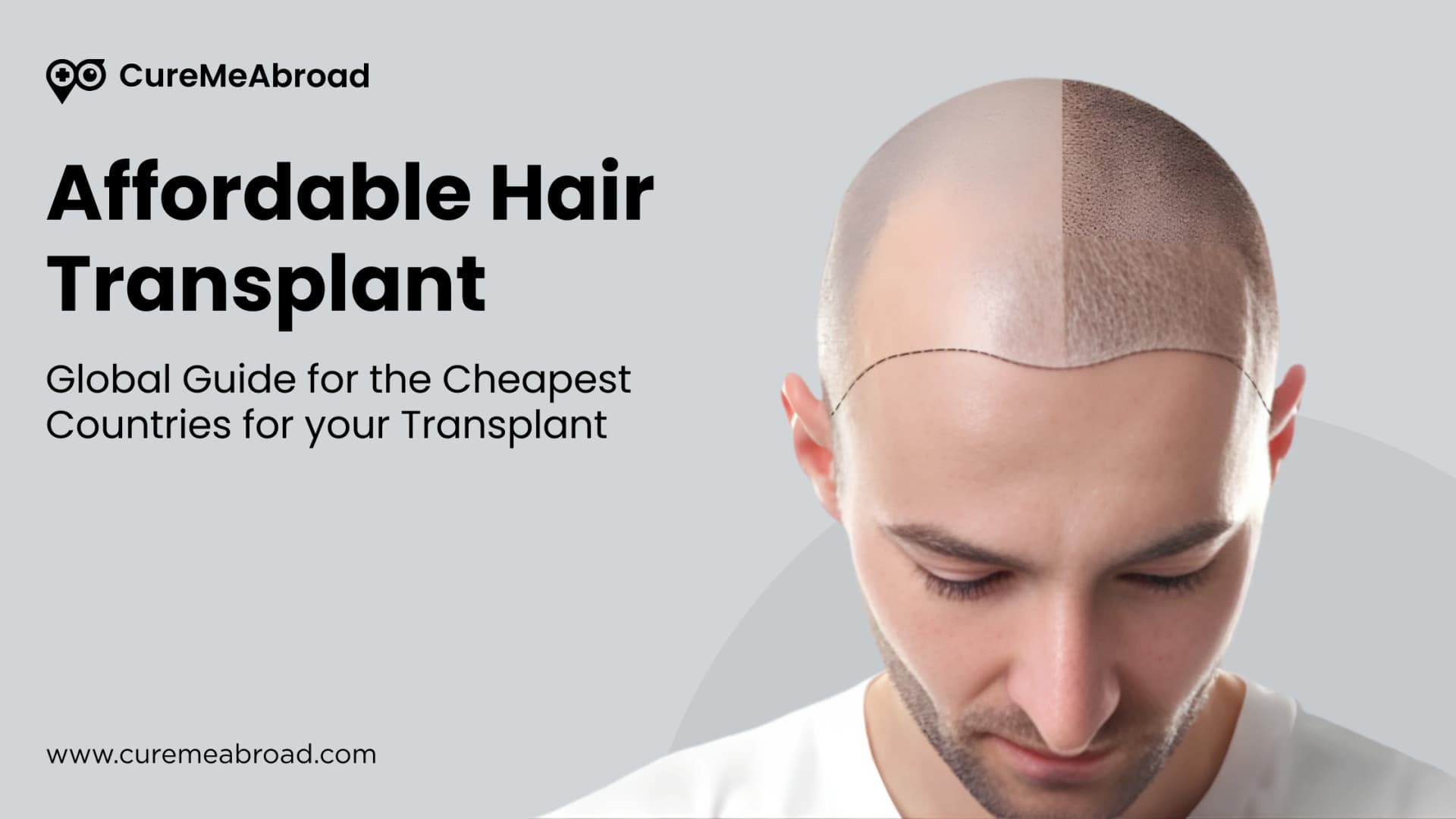
Patients seeking an affordable hair transplant need an approach that balances safety, long-term outcomes, and cost. "Affordable" in this context should mean accessible without compromising medical standards: correct candidate selection, evidence-based technique, sterile environment, and adequate follow-up. Affordability arises for many reasons that do not reflect poorer clinical care, such as lower local operating costs, currency exchange advantages, and specialization driven by high case volume. These conditions can allow well-trained surgeons abroad to offer quality procedures at substantially lower prices than in high-income countries.
When assessing affordable options, you should focus on objective medical criteria rather than price alone. Key elements to evaluate include donor hair density (measured per cm²), hair shaft characteristics (curl, caliber, color contrast with scalp), scalp laxity (important for FUT), and overall health status (diabetes control, smoking status, bleeding disorders). A thorough preoperative assessment will include trichoscopy, donor and recipient area photographic documentation, basic blood tests, and a review of medications that alter bleeding or healing. Clinics that provide these assessments and document them are more likely to deliver predictable outcomes.
Technique matters: many affordable clinics perform FUE (follicular unit extraction), which avoids a linear scar and allows for shorter recovery, while others may offer FUT (follicular unit transplantation ) for a very high graft requirements. Some centers provide advanced adjuncts like platelet-rich plasma (PRP) to support graft take, graft-holding solutions, and microscopic dissection for FUT. Equally important is the surgical team composition: a licensed surgeon should perform or directly supervise the extraction and implantation steps. Technician-only procedures are a warning sign. Look for clinics that explain their infection control measures (single-use punches, proper sterilization, HEPA-filtered procedure rooms) and that provide a clear post-operative protocol for washing, dressing, and managing swelling and pain.
Affordable options frequently come as packages including transfer, accommodation, and follow-up. For many patients, this reduces anxiety and helps with budgeting. However, transparency is critical: the package should list exact graft counts, which surgeon will operate, the sterility of instruments used, and follow-up duration. Finally, realistic expectations are essential: affordable procedures can deliver natural, durable results if the patient has adequate donor supply and follows medical advice on postoperative care and adjunct medical therapy (topical minoxidil, oral finasteride when appropriate, and lifestyle adjustments). Choosing by credentials, documented outcomes, and clarity of care pathway will maximize value while protecting patient safety.
Cheapest Countries for Hair Transplant
This section will guide you about countries that commonly offer the lowest out-of-pocket costs for hair transplantation and explain what those prices typically include. Cost alone should not be the deciding factor, but understanding comparative pricing helps patients plan and ask targeted questions of clinics.
Below are five countries frequently cited as the most affordable for hair transplants. These cost ranges reflect typical FUE-focused packages that include surgery, basic post-op medications, and short-term accommodation; actual offerings vary by clinic.
Country overview :
Turkey (Istanbul, Izmir): High volume of hair restoration centers with many surgeons performing exclusively hair work. Common package inclusions: airport transfer, hotel, translator, 1–2 nights stay, and 12-month remote follow-up. Many clinics perform FUE and DHI; quality varies, so review surgeon's credentials and long-term outcome photos.
India (Delhi, Mumbai, Chennai): A Large number of dermatologists and plastic surgeons trained in hair restoration. Clinics often use FUE and Sapphire FUE; FUT remains available for large sessions. Donor management and postoperative follow-up are generally well-structured.
Mexico (Tijuana, Mexico City): Convenient for North American patients; many bilingual teams and hospital-based clinics. Good option where short travel and in-person follow-up are priorities.
Thailand (Bangkok, Phuket): Hospital-based services with international standards and strong infection control; often slightly higher cost than Turkey/India but with hospital accreditation.
Egypt (Cairo, Alexandria): Emerging hub with competitive pricing and increasing numbers of experienced surgeons; check for accreditation and use of single-use consumables.
Country-wise cost comparison (indicative, per typical FUE package):
| Country | Typical All-Inclusive FUE Package Price (USD) | Typical Graft Range Included | Notes |
|---|---|---|---|
| Turkey | $1,200 – $3,000 | 2,500 – 4,500 | Often all-inclusive; high case volume |
| India | $900 – $2,000 | 2,000 – 4,000 | Wide range of clinics; low operational costs |
| Mexico | $1,800 – $3,200 | 2,000 – 4,000 | Good for US patients; bilingual staff |
| Thailand | $2,000 – $4,000 | 2,000 – 3,500 | Hospital settings, higher sterilization standards |
| Egypt | $1,200 – $2,200 | 2,000 – 3,500 | Emerging market; check credentials |
How to interpret the table :
Graft count matters: The quoted package graft count should match your assessed need. If a clinic quotes a low price but limits grafts, the final cost for adequate coverage will increase.
Included elements: Confirm whether microscopic graft dissection (for FUT), PRP, local anesthesia, and post-op medications are included. Verify whether the surgeon performs critical steps.
Outcome validation: Request multiple long-term (9–12 months+) patient photos with a similar hair type to yours. Clinics should also provide contactable references or third-party reviews.
Selecting the cheapest country is not just about the listed price it’s about ensuring the clinical pathway, from preoperative assessment to one-year follow-up, is clearly documented and surgeon-led. With careful selection, these countries can provide high-value, clinically satisfactory outcomes at lower cost.
Affordable Hair Transplant Packages
When patients travel for hair restoration, packaged offerings are common and can produce significant cost and logistic advantages. A medically sensible package should clearly itemize clinical services, surgical resources, and logistical support. The goal is to minimize unexpected charges while maintaining medical standards and continuity of care.
Core clinical inclusions, a reasonable package should have
1. Preoperative assessment: trichoscopic evaluation, donor density measurement, scalp photos, basic blood tests (CBC, coagulation screen), and medical history review. This ensures patient suitability and accurate graft planning.
2. Surgeon consultation and documented surgical plan; the operating surgeon’s involvement should be explicit, with a written plan showing estimated graft count, planned hairline design, and choice of technique (FUE, FUT, or DHI).
3. Surgical procedure; itemize whether the surgeon performs extraction and implantation, or supervises technicians. The package should state the type and size of punches, use of single-use instruments where applicable, and whether microscopic dissection (FUT) is performed.
4. Consumables and medications; local anesthetic, disposable instruments, antibiotics, analgesia, and any graft-holding solutions should be included.
5. Immediate postoperative care; wound dressing, in-clinic post-op wash, instructions for home care, and first follow-up.
6. Follow-up plan; ideally up to 12 months with at least photo-based remote assessments and a policy for managing poor graft survival or complications.
Typical non-clinical inclusions and how they affect value
Airport transfers, local transport, and translator services ease logistics and are commonly included in low-cost country packages.
Accommodation for 2–4 nights is often bundled; confirm standard and proximity to the clinic.
PRP or growth factor adjuncts may be included or offered as optional add-ons; they can aid recovery but are not a substitute for surgical technique.
Cost transparency and common billing structures
Graft-based pricing: many clinics price per graft (e.g., $0.30–$1.50 per graft). This requires accurate graft estimation to avoid surprise costs.
Flat package pricing: often used by clinics in Turkey and Egypt, where a single fee covers surgery, meds, and logistics; this can offer good predictability.
Hybrid: a base fee plus additional charges for grafts above an included amount.
Cost comparison with the USA/UK
In the USA, average full scalp FUE packages (without travel/accommodation) commonly range from $8,000 to $20,000, driven by higher surgeon fees, facility costs, and malpractice insurance.
In the UK, typical ranges are £5,000 to £12,000.
Affordable country packages are lower because operating-room costs, wages, and overhead are less, but comparable surgical technique and postoperative protocols are available in many accredited foreign centers.
Red flags in packages
- No clear graft count or “unlimited grafts” without documentation of donor availability.
- Absence of a surgeon on the operation note.
- No post-operative follow-up or reliance solely on generic phone support.
- Extremely low price compared to local market averages; this may indicate shortcuts in consumable safety or staffing.
A carefully vetted package that balances clinical inclusions, surgeon involvement, and transparent billing will provide the best combination of affordability and medical safety. Ask clinics for a written, itemized package contract before payment and insist on surgeon-performed or surgeon-supervised critical steps.
Cheap Hair Transplants: Price Explained
Understanding price drivers helps patients compare offers meaningfully and avoid decisions based solely on headline cost. Hair transplant pricing is a function of clinical variables (technique, graft count, surgeon expertise) and non-clinical variables (country operating costs, clinic overhead, and included services).
Primary clinical cost drivers
- Graft requirement: A transplant’s core resource is grafts. Graft numbers map directly to procedure time, technician hours, and consumables. Typical categories: small (1,000–1,800 grafts), moderate (1,800–3,000), large (>3,000).
- Technique:
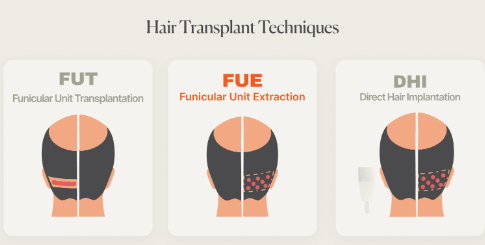
FUE (Follicular Unit Extraction): individual follicular units are removed using small punches. Time and team size drive cost; high skill increases price. Advantages: no linear scar, suitable for short hair.
FUT (Strip method): a strip of scalp is removed and dissected into grafts; generally lower direct cost per graft and useful for very large graft counts, but leaves a linear scar.
DHI (Direct Hair Implantation): uses an implanter (Choi) for direct placement; offers precise angulation and density, but is slower and more costly.
- Surgeon skill and involvement: Surgeons with subspecialty training in hair restoration and long procedural experience command higher fees, which often correlate with better hairline design and graft survival.
- Graft survival optimization: Use of cold graft-holding solutions, immediate implantation, and minimal ischemia time improves survival but increases consumable and logistical costs.
Non-clinical cost drivers
Facility and staffing costs: Accredited hospital settings cost more than small outpatient clinics. Highly trained support staff adds to fees but increases safety and efficiency.
Consumables and single-use items: single-use punches, blades, and implanters add per-case cost but lower infection risk. Reuse or poor maintenance of instruments is a safety concern.
Local market conditions: wages, regulatory requirements, and medical tourism competition influence pricing.
FUE vs. FUT vs. DHI; concise clinical comparison
- FUE: No linear scar, suitable for short haircuts and repeated sessions. Requires careful donor management to avoid overharvesting. Recovery is typically quicker.
- FUT: Best when maximal graft count is needed in a single session; yields high graft survival due to microscopic dissection but leaves a linear scar and longer recovery.
*DHI: Direct Hair Transplant is known for its high precision angle and density; it can achieve denser packing in small recipient zones, more costly and time-consuming.
Why very low prices can be deceptive
Ultra-low quotes may exclude key components (anesthesia, medications, graft storage solutions, or surgeon fees). They may also reflect the use of technician-only procedures, the reuse of consumables, or inadequate follow-up. Always request a detailed invoice and clinical protocol.
Economic logic for lower costs abroad without compromising outcomes: Higher procedural volumes in specialized centers create economies of scale. When combined with lower overhead and currency advantages, centers can offer experienced surgeons at a fraction of the cost seen in the USA/UK. The clinical standard remains judgeable by objective metrics: documented long-term results, complication rates, and transparent post-op pathways.
Tips for Cheap Hair Transplants
Cost-conscious patients should follow a checklist that prioritizes medical safety and realistic outcomes. The tips below are practical and clinically oriented so that “cheap” does not mean risky.
Verify surgeon credentials and documented involvement
Confirm medical license, specialty (dermatology or plastic surgery), and specific hair restoration training. Ask whether the surgeon personally performs extraction and/or implantation or directly supervises a trained team. Surgeon presence during key steps reduces complication risk and improves aesthetic outcomes.Insist on documented graft counts and donor assessment
Obtain a preoperative plan listing the estimated graft count based on measured donor density and hair shaft characteristics. Beware quotes that promise “unlimited grafts” without donor evaluation; donor scarcity cannot be ignored.Request long-term before/after photos and peer reviews
Ask for 9–12 month postoperative images of multiple patients with hair types similar to yours. Independent patient reviews and clinic accreditation (where applicable) add credibility.Confirm infection control and consumable policy
Prefer clinics that use single-use punches and disposable implanters, or that clearly document sterilization standards for reusable items. HEPA-filtered procedure rooms and standard surgical checklists indicate safer practice.Understand what the package covers
A lower headline price may exclude antibiotics, pain control, PRP, extra grafts, or remote follow-up. Have an itemized contract signed before payment, with a clear refund/cancellation policy.Plan for adjunct medical therapy
Surgical results are optimized by medical therapy when indicated: topical minoxidil, oral finasteride for eligible men, and PRP as an adjunct in selected patients. Budget for these when comparing total cost.Avoid cutting corners on postoperative care
Proper post-op washing, scab care, and avoidance of smoking and heavy exertion are crucial. Some complications (infection, poor graft take) require prompt in-person management; check the clinic’s escalation plan for complications and whether they offer remote or local follow-up.Consider staged approaches if the donor is limited
For wide baldness, staged procedures allow better donor preservation and natural density. This may cost more over time, but it improves outcomes versus attempting excessive density in one session.Check travel and legal considerations
Understand visa rules, travel insurance limitations for elective surgery abroad, and local medical liability frameworks. Know where to get in-person care if an issue arises after return home.Use objective outcome metrics
Ask about graft survival estimates, complication rates, and the expected timeline for hair growth. A responsible clinic provides realistic timelines (initial shedding, regrowth at 3–6 months, cosmetic maturity at 9–12 months).
Following these steps helps you secure the best clinical value for your budget: low cost with high standards of care.
FAQ: 10 Most Common Questions About Affordable Hair Transplants
1. Are cheap hair transplants safe?
Yes, they can be safe when performed in accredited clinics by trained surgeons using modern techniques like FUE, FUT, or DHI. Countries such as Turkey, India, Egypt, Mexico, and Thailand offer low prices mainly due to lower operating costs and favorable currency exchange rates, and not inferior medical quality. Safety depends on the surgeon’s experience, sterile instruments, graft-handling techniques, and postoperative care, not the price alone.
2. Which country is the cheapest for a hair transplant with good medical standards?
Turkey and India generally offer the lowest costs while maintaining strong medical standards. Clinics in Istanbul, Delhi, Mumbai, and Ahmedabad have high case volumes and experienced surgeons. Egypt is also highly affordable. Mexico and Thailand are slightly more expensive but still significantly cheaper than the US, UK, and Europe.
3. How do I know how many grafts I need?
Graft requirements depend on the area of baldness, donor hair density, hair quality (thickness, curl, color contrast), and desired coverage. Mild recession may need 800–1500 grafts, while advanced baldness may require 3000–4500+. A surgeon determines this through scalp examination, digital imaging, and density measurements.
4. What is the difference between FUE, FUT, and DHI?
FUE: Individual follicular units are extracted with a micro punch. No linear scar, faster recovery.
FUT: A strip of scalp is removed to harvest follicles. Allows large graft numbers but leaves a linear scar.
DHI: Uses an implanter pen for precise placement. Requires more expertise and may cost more.
All three techniques are effective; your suitability depends on donor hair quality and coverage needs.
5. How long do hair transplant results last?
Transplanted hair is generally long-lasting because donor follicles are resistant to DHT. Full results appear between 9–15 months. However, non-transplanted native hair may continue thinning with age. Doctors often suggest supportive treatments like Minoxidil, Finasteride, PRP, or laser therapy depending on the patient’s profile.
6. What is the recovery period after a hair transplant?
Most patients resume normal routine activities within 3–5 days. Scabs shed within 7–10 days. Exercise, heavy lifting, smoking, alcohol, and swimming should be avoided for 10–14 days. Complete healing of donor and recipient areas takes several weeks, while hair maturation continues for months.
7. Are all-inclusive packages worth choosing for medical tourism?
Yes, especially for international patients. They usually cover surgery, hotel stay, airport transfers, medications, and follow-up care. Packages reduce unexpected costs and simplify planning. However, always verify graft count, confirm who performs the surgery, and check if single-use instruments are guaranteed.
8. Is the procedure painful?
Local anesthesia makes the procedure comfortable. Patients feel mild pressure during extraction and implantation but not sharp pain. Postoperative discomfort in the donor area is normal and usually subsides within a few days with prescribed medication.
9. Can women get a hair transplant?
Yes. Women with traction alopecia, patterned thinning, high hairlines, or localized bald patches can benefit from hair transplantation. Women with diffuse unpatterned thinning require careful evaluation because they may not be ideal candidates. A dermatologist or hair restoration surgeon must assess scalp stability.
10. What are the risks of a hair transplant?
Possible risks include swelling, redness, temporary shedding (shock loss), infection (rare when protocols are followed), overharvesting, visible scarring, or unnatural hairlines if done poorly. Choosing an experienced surgeon and a medically accredited clinic greatly reduces these risks.