
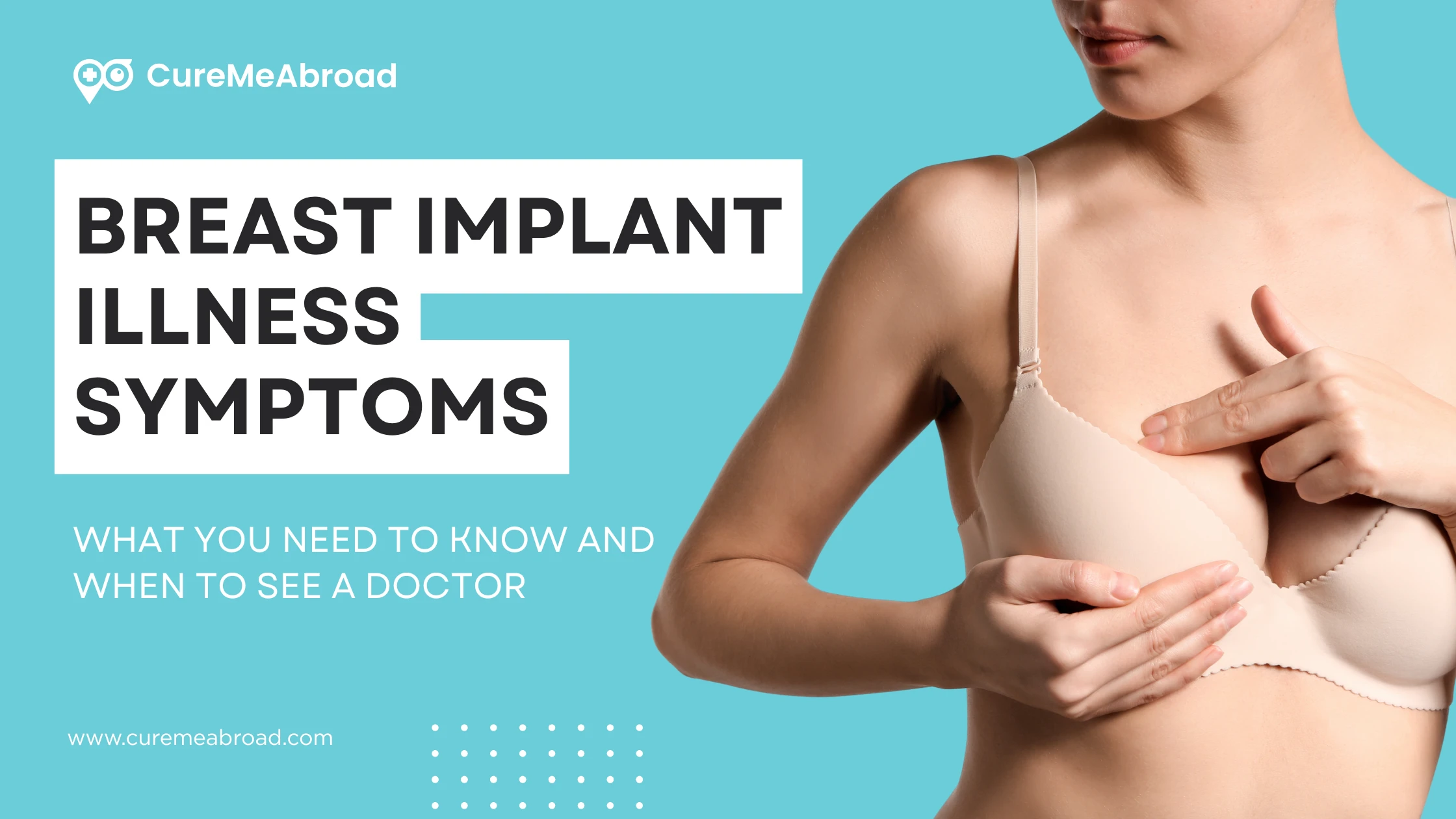
Breast augmentation is one of the most popular cosmetic surgeries around the world, with thousands of women choosing implants every year to enhance their confidence and appearance. While breast implants are generally considered safe, many women have reported experiencing unexplained health problems after their surgery. This growing concern is described as Breast Implant Illness (BII). Although not yet fully recognized as a formal medical diagnosis, awareness of breast implant illness symptoms is increasing, especially as more women share their experiences.
If you’re considering breast implants, already have them, or are simply curious about this condition, this guide will help you understand the key symptoms, the importance of timely medical attention, and answer the most common doubts people have about breast implant illness.
What Is Breast Implant Illness?
Breast Implant Illness (BII) refers to a set of physical and psychological symptoms experienced by some women following breast implant surgery. It can occur with both silicone and saline implants, regardless of whether they are textured or smooth. Since these symptoms vary widely in severity and type, diagnosing BII can be complicated.
Doctors and researchers are still studying why breast implant illness symptoms occur. Some theories suggest it could be related to the body’s immune response, while others point to silicone leakage or chronic inflammation. Whatever the cause, thousands of women report regaining health after implant removal, which adds weight to this less-understood condition.
Common Breast Implant Illness Symptoms
The symptoms of BII can differ greatly between women, but many share some patterns. The most common breast implant illness symptoms include:
- Chronic fatigue: A continuous feeling of tiredness that doesn’t improve with rest.
- Brain fog: Difficulty with memory, concentration, and focus.
- Joint and muscle pain: Unexplained aches, often mistaken for arthritis or fibromyalgia.
- Headaches: Frequent migraines or tension headaches after implants.
- Skin rashes and dryness: Unusual breakouts, itchiness, or skin irritation without clear cause.
- Hair loss: Noticeable shedding or thinning hair.
- Chest pain or palpitations: Irregular heartbeat, pressure, or discomfort around the chest.
- Breathing difficulties: Shortness of breath even during light activity.
- Sleep problems: Insomnia or poor-quality rest.
- Swelling or inflammation: Puffy lymph nodes or swelling in various areas.
- Depression and anxiety: Mood shifts that appear unrelated to life circumstances.
Some women also report autoimmune conditions being triggered following their implant surgery, making the illness even more complex.
When Should You See a Doctor?
If you notice persistent or worsening symptoms after breast implant surgery, it’s important not to dismiss them. Many women delay consulting a doctor because they assume their issues are unrelated to implants. However, early evaluation can make a big difference.
You should see a doctor if:
- Your symptoms are interfering with your daily life.
- You have unexplained fatigue, pain, or inflammation.
- You’ve been checked for other conditions and nothing explains your symptoms.
- You notice swelling, hardening, or unusual changes in your breasts.
- Your mental health is being affected by chronic discomfort.
Remember, even if your symptoms do not match every sign of BII, your concerns are valid. A supportive physician can guide you through relevant medical tests, rule out other conditions, and discuss whether implant removal may help.
What to Expect During Diagnosis
Since breast implant illness symptoms are not specific to one medical condition, diagnosing BII can be challenging. A doctor may:
- Review your detailed medical history.
- Conduct blood work to check immune function and inflammation levels.
- Examine imaging results of your breasts (like MRI or ultrasound).
- Evaluate autoimmune symptoms.
- Rule out other conditions like lupus, thyroid disorders, or chronic fatigue syndrome.
If other causes are eliminated and your symptoms align with BII, your physician may suggest explant surgery (implant removal). Many women report improvement or complete resolution of symptoms afterward, though not every case is the same.
Living With Breast Implant Illness
Managing breast implant illness is not just about physical health but also emotional well-being. For many women, the experience can be isolating because BII is still not formally recognized in medical literature, and some doctors may dismiss the symptoms. Joining support groups, both online and offline, can be helpful to share experiences and learn from others going through the same journey.
Lifestyle changes to reduce inflammation may also make a difference. Eating a nutritious diet, exercising regularly in manageable ways, and focusing on stress reduction through yoga, meditation, or journaling can all contribute to better overall health while navigating this difficult experience.
Treatment Options
Currently, the most effective treatment for breast implant illness is removing the implants and the surrounding capsular tissue (a procedure called en bloc capsulectomy). Many women notice significant improvement in their breast implant illness symptoms after this surgery, though recovery timelines vary.
Other supportive treatments include:
- Pain management strategies.
- Immune-supporting therapies.
- Mental health counseling.
- Physical rehabilitation if muscles or joints have been affected.
Your doctor will help tailor a treatment plan based on your symptoms and overall health condition.
FAQs on Breast Implant Illness Symptoms
1. Is breast implant illness an officially recognized condition?
Not yet. However, medical awareness is growing, and regulatory bodies are conducting more research to understand its impact.
2. Can breast implant illness symptoms happen immediately after surgery?
Most cases occur months or years after implant placement, though some women may notice changes sooner.
3. Do both silicone and saline implants cause BII?
Yes, both types have been linked to reported symptoms. BII doesn’t appear limited to one specific implant material.
4. What if my doctor doesn’t believe in breast implant illness?
Seek a second opinion from a physician familiar with the condition. Patient advocacy can make a big difference in getting the right care.
5. Can removing implants cure breast implant illness completely?
Many women experience significant improvement after explant surgery, but recovery isn’t identical for everyone. Some may need additional treatments or therapies to fully regain health.
6. Are the symptoms all physical, or can they affect mental health too?
Both. Anxiety, depression, and emotional stress are commonly reported alongside physical symptoms.
7. How do I know if my symptoms are BII or another condition?
Only a thorough evaluation with your doctor can clarify this, since symptoms overlap with many chronic illnesses.
Final Thoughts
Breast implants have given confidence and happiness to many women, but it’s important to recognize the possible risks too. If you’re noticing unusual health problems and suspect they could relate to your implants, taking action is essential. Listening to your body, documenting your symptoms, and working with a supportive doctor can help you decide on the best path forward.
Awareness of breast implant illness symptoms is growing, and the more conversations we have around it, the more women can feel empowered to seek help early. At the end of the day, your health always deserves priority over cosmetic choices.