
Constipation post-operatively is quite common and often not appreciated. Most patients will expect pain, swelling, or fatigue post-operatively. However, when they notice that their bowel movements are slow or have stopped altogether, this comes quite unexpectedly. In some cases, the problem only lasts for a couple of days. In others, this condition can become very uncomfortable or even painful.
It is important to know that constipation after surgery is common, temporary, and usually easy to manage. Understanding the causes, the length of recovery, and some pointers on the prevention and treatment of constipation in the body would ensure a smooth recovery.
What is Constipation After a Surgery?
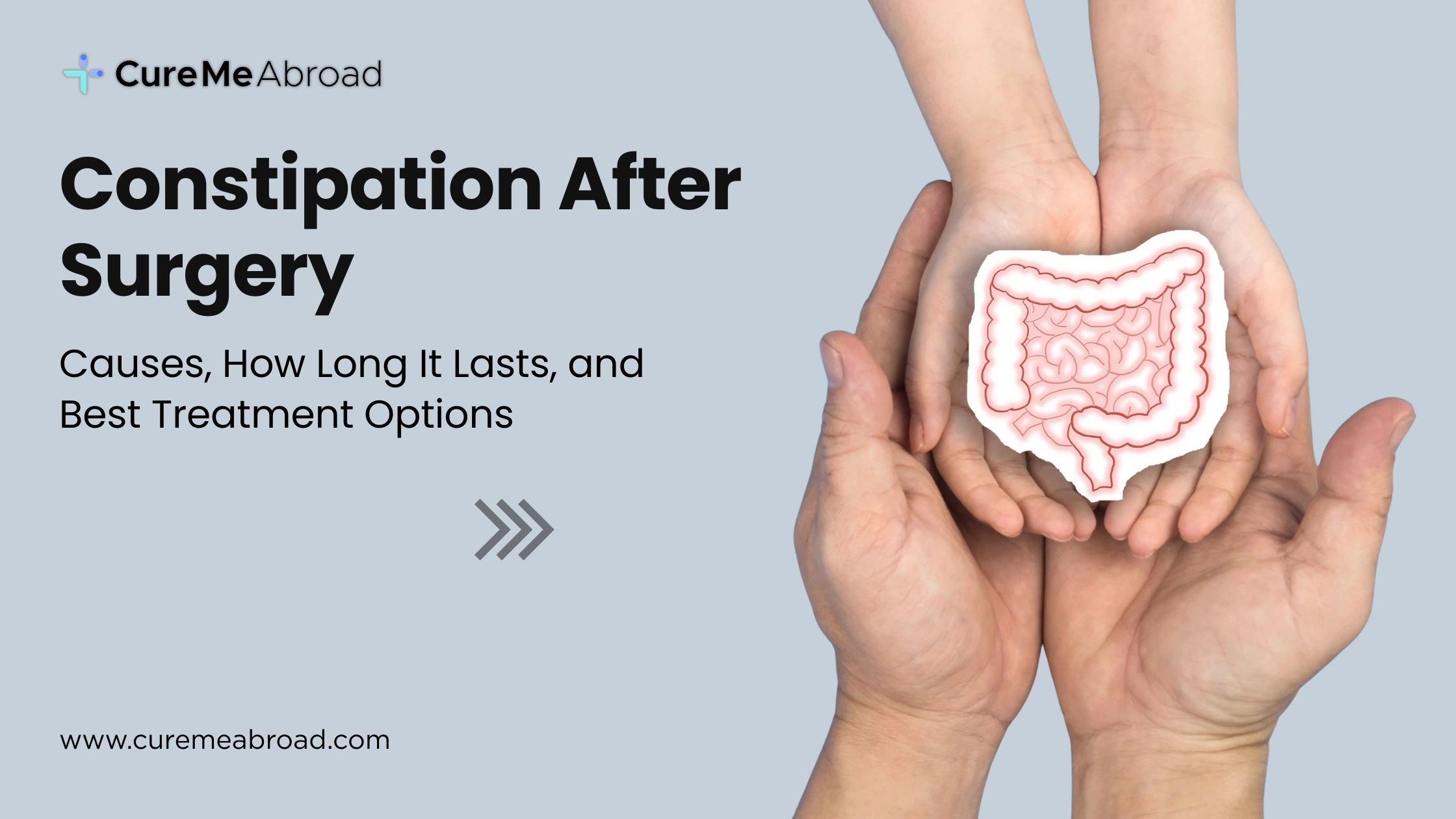
Constipation occurs when bowel movements become infrequent or stools are hard and difficult to pass. The symptoms include discomfort in the abdominal part, swelling, and straining during the passage of bowel movement.
In the postoperative period, constipation often results as a combination of medications, decreased mobility, effects of anesthesia, and altered diet.
Why Does Constipation Occur Post-Surgery?
Constipation post-surgery is a common problem due to a number of factors that influence the digestive system like:
Diet and Levels of Activity Changes
Dietary changes may be happening during the recovery period. You may be consuming less fiber or more processed foods. Lower fluid intake is a possible cause of the increased consistency of the stool. Additionally, immobility or being bedridden due to surgery results in low activity levels. Activity is a major factor that helps promote bowel movement.
Effects of Anesthesia
One of the major reasons for post-operative constipation is related to how general anesthesia affects your gastrointestinal tract. It is known that general anesthesia slows the movement of your intestines.
Pain Relievers
Pain medications containing opioids (such as oxycodone) are another leading cause of constipation. Opioids, or opioid analgesics, are very effective in the treatment of pain. They have a well-known side effect of causing constipation.
These analgesics slow the movement of food through the intestines and also enhance the absorption of water into the system, making it harder for the stools to pass through. This condition is known as opioid-induced constipation.
Reduced Physical Activity
Physical activity stimulates intestinal movement and supports normal digestive function. Even light movement can help restore bowel regularity after surgery. It can help your body by supporting your lining in your digestive tract. Exercise can help your body by reducing chemicals that are related to your inflammation. It can also help your body by assisting your digestive tract to better take in the nutrients. Based on your surgery, you could have reduced mobility.
Stress and Change in Hormones
Surgery is a stress-causing factor both physically and psychologically, and this results in the release of stress hormones like cortisol and adrenaline. Stress hormones released after surgery can slow digestion, resulting in the change of the body’s physiology for digestion, slowing down the process of digestion, hence the cause for postoperative constipation.
Symptoms of Constipation After Surgery
If you develop the following symptoms after your operation, you should ask your surgeon for suggestions to alleviate constipation.
- Having fewer than three bowel movements per week
- Experiencing a sudden decrease in bowel movements
- Having to strain when passing bowel movements
- Bloating and increased gas production
- Having abdominal or rectal pain
- Having hard and firm stools
- Sensation of incompleteness or emptying after bowel movement
Duration of Constipation Post-Surgery
How long one may experience constipation following surgery varies from individual to individual. For some people, bowel movements may get back to normal in a few days. For others, particularly those taking prescription pain medications containing opioids, it may take longer. Usually, general anesthesia loses effect rather quickly. Yet its effects on one’s bowel may continue for a couple of days. Often, taking prompt measures to alleviate it works better rather than waiting for it to heal on its own.
How to Relieve Constipation After Surgery
There are a few steps you can take to restore comfortable bowel movements at home by doing some light exercises, drinking enough water, or paying attention to a high-fiber nutritious diet.
Incorporate Physical Activity
Incorporate exercise into your recovery process. After your doctor gives you a clean bill of health after surgery, it’s a good idea for you to get your body up and moving. The reason for this is that your intestines are composed of muscle tissue that will respond well to exercise just as much as your other muscles will. As your body moves, your digestion will follow suit. That means that the more you get up and get moving from your chair, around your house, or even through exercise therapy that you can accomplish from your home, the more your bowels will be in motion.
Drink plenty of water
Good hydration allows for softer, more manageable stool. Water allows the digestive system to move along food quickly and prevents too much fluid from waste being absorbed through the colon.
Consumption of Fibre Rich Foods
Eat foods high in fiber such as fruits, vegetables, and grains. Fiber increases the bulk of the stool, which moves easily through the intestines. Consuming fiber again, though at a gradual pace following surgery, stimulates the intestines without any discomfort.
Use Stool Softeners or Laxatives
Your doctor may prescribe these. These work by encouraging bowel movements or by increasing water in the stool to ease a constipated bowel.
Cut Back on Caffeine and Processed Foods
Caffeine and some processed foods may be dehydration agents in the body and could slow the digestive process. Remember the regularity at which these are consumed and use water or maybe fibers instead.
Over-The-Counter Medications for Constipation
In the case where the experienced constipation is a result of the intake of pain-relieving medications, there could be approaches or medications provided by your doctor to overcome the opioid-induced impact on your bowel movements.
There are various over-the-counter medicines that could help relieve constipation. Any new medication should be preceded by consultation with a healthcare provider, particularly following a surgery.
Stool Softeners
Medications such as docusate sodium (Colace, Dulcolax) work by drawing extra water into the stool, softening it, and making it easier to pass. These may be prescribed preventatively when you first begin taking your pain medications. These may help facilitate the passage of the stool through the colon when taken simultaneously with pain medications. These are generally very safe and may take 1 to 3 days to have effects.
Stimulant Laxatives
Drugs such as bisacodyl (Correcol, Dulcolax, etc.) or senna (Senokot, etc.) act directly on the muscles of the intestines to contract them, thus propelling the feces down the intestines. The stimulant laxatives act within 6 to 12 hours. Though they work well, they can cause cramping.
Saline Laxatives
Saline laxatives are taken by mouth or by means of an enema, depending on their form. They take effect in 30 minutes to 3 hours. Saline laxatives include magnesium citrate (Citroma), magnesium hydroxide (Milk of Magnesia, Phillips) and sodium phosphate (Fleets, Phospho-Soda).
Bulk Laxatives
Bulk laxatives such as Metamucil, Citrucel, and Fibercon and BeneFiber should not be used when the cause of the constipation is pain medicines. You can use them after you stop taking the pain medicines. Water must be taken along while using these medications.
Natural Remedies for Constipation
Lemon juice
A fresh and natural way to promote bowel movements is by drinking a glass of water mixed with lemon juice (half a lemon) before sleep and the moment you get up. Besides, you will be getting the necessary Vitamin C from lemons for your immune system.
Olive oil
A teaspoon of olive oil taken first thing in the morning before breakfast might help with the natural moving of stools through the intestines. Besides, it makes the stool softer, so it is less difficult to have a complete bowel movement.
Prune juice/Dried prunes
One of the traditional treatments for constipation. Prune juice does not have the fiber of the dried fruit, but both are very rich in sorbitol content. Sorbitol is not digestible and is therefore passed through the gut, it also attracts water into the gut, which makes the stool more bulky and stimulates the bowel movement.
Stewed apricots
A commonly used dietary remedy for constipation. Remove the stones from and halve the apricots. Put them in a saucepan along with 2, 3 tablespoons of brown sugar, add two tablespoons of water and set to low, medium heat.
Ginger
It is a common natural remedy in most homes. Ginger works to relieve constipation by lessening the strain on the lower intestines. In addition, it can also help ease other symptoms that frequently go hand in hand with constipation, such as cramps, bloating, and nausea.
Surgeries That Cause Constipation
Constipation can follow almost any surgery but is a frequent complication of the following surgical procedures:
- Orthopedic procedures (Knee replacement surgery, Hip replacement surgery,
- Abdominal Surgery (Hernia repair and Gall bladder surgery)
- Gynecological surgery (hysterectomy, caesarean)
- Colorectal Surgery
- Cardiac surgery
- Cosmetic surgery needing anesthetics
- Bariatric surgery
Importance of Treating Constipation
It is a significant symptom in regard to postoperative healing processes, quality of life, feeling of comfort, respiratory and circulatory systems of patients, as well as quality of nursing care. It is extremely important to assess nursing practice during the postoperative period. It is necessary to monitor gas exchange, elimination activity, mobilization, oral feeding, liquid consumption of the patients right after abdominal surgery.
Post-operative constipation needs to be treated effectively because straining can lead to the cutting of stitches and opening of incisions. Another possible risk is hemorrhoids. Veins that are swollen in the area around the rectum occur due to straining to pass a bowel movement. Anal fissures develop when a large or hard stool tears the skin around the anal opening. This can result in the hardened stool being lodged in the intestines, forming Fecal impaction.
When to See a Doctor
Constipation can usually be managed by itself, but when it becomes severe or prevents you from doing the things you want to do, you should see a healthcare provider. Furthermore, it is always best to seek the help of a healthcare provider when you have the following:
- More than four days with no bowel movements
- Severe abdominal pain or cramping
- Rectal Bleeding or Bloody Stool
- Nausea, vomiting, or symptoms of impaction
How to Prevent Constipation After Surgery
Constipation in most instances does not lead to complications that can be fatal. This can lead to a lot of pain. This depends on the type of surgery you have undertaken. This can cause your surgical site to open up again. That is a very serious complication. You should inform your doctor when you experience constipation. It is not always easy to avoid constipation after a surgical procedure. You can avoid it from being a problem before you go for your surgical procedure.
Some tips are these:
- Make a pre-surgery and post-surgery diet and treatment plan with your doctor.
- Consult with your doctor regarding options on how to handle constipation.
- Inform your medication supplier of whether you are a constipated person.
- It is important to drink fluids in adequate amounts both before and following surgery.
- Stock up on high fiber foods, stool softeners, or laxatives before the trip, so they will be available to you during recovery.
Post-operative constipation can be considered a common, expected, or manageable associated complication following any form of surgery. In most cases, it is temporary and responds well to simple measures such as fluids, movement, dietary changes, or medications.
Awareness of the causes of constipation educates the patient on the importance of preventing the issue early on. By following the instructions provided by the physician and heeding the signs from the body, the patient would be better off with post-operative care.
In those cases where the condition of constipation continues to develop or advance, it is advisable to consult a medical practitioner for treatment
Frequently Asked Questions
Is post-operative constipation normal? Yes, it is very common after surgery due to anesthesia, pain medication, and poor movement.
How long does constipation last post-surgery? Most patients remain constipated for 3-7 days. A few take as long as two weeks.
Which is the best laxative after surgery? Stool softeners and osmotic laxatives are generally preferred. Always check with your doctor first.
Does constipation affect surgical recovery? Yes, severe constipation can increase pain, strain surgical wounds, and delay recovery.
Should I stop pain medication if I’m constipated? Never stop medications without discussing with your doctor. There may be alternatives.
When should I worry about constipation after surgery? If no bowel movement for over 7 days, or if symptoms worsen seek medical care.
Will diet alone alleviate postoperative constipation? Patients with mild conditions can recover with fluids and foods, though some need additional oral medications.
Does abdominal surgery make constipation worse? Yes, there is a higher risk with abdominal and pelvic surgery because of direct involvement with the bowel.
References
University of Washington Medical Center. “Constipation After Your Operation.” UWMC Surgical Specialties Center, 2017{: rel="nofollow"}
“Seated Pelvic Tilt.” Hingehealth{: rel="nofollow"}
“Constipation After Surgery: Recovery Tips From Specialists.” Lux Hospitals: Health & Hope{: rel="nofollow"}
Leonard, Jayne. What to Know About Constipation After Surgery. 11 Oct. 2023{: rel="nofollow"}