

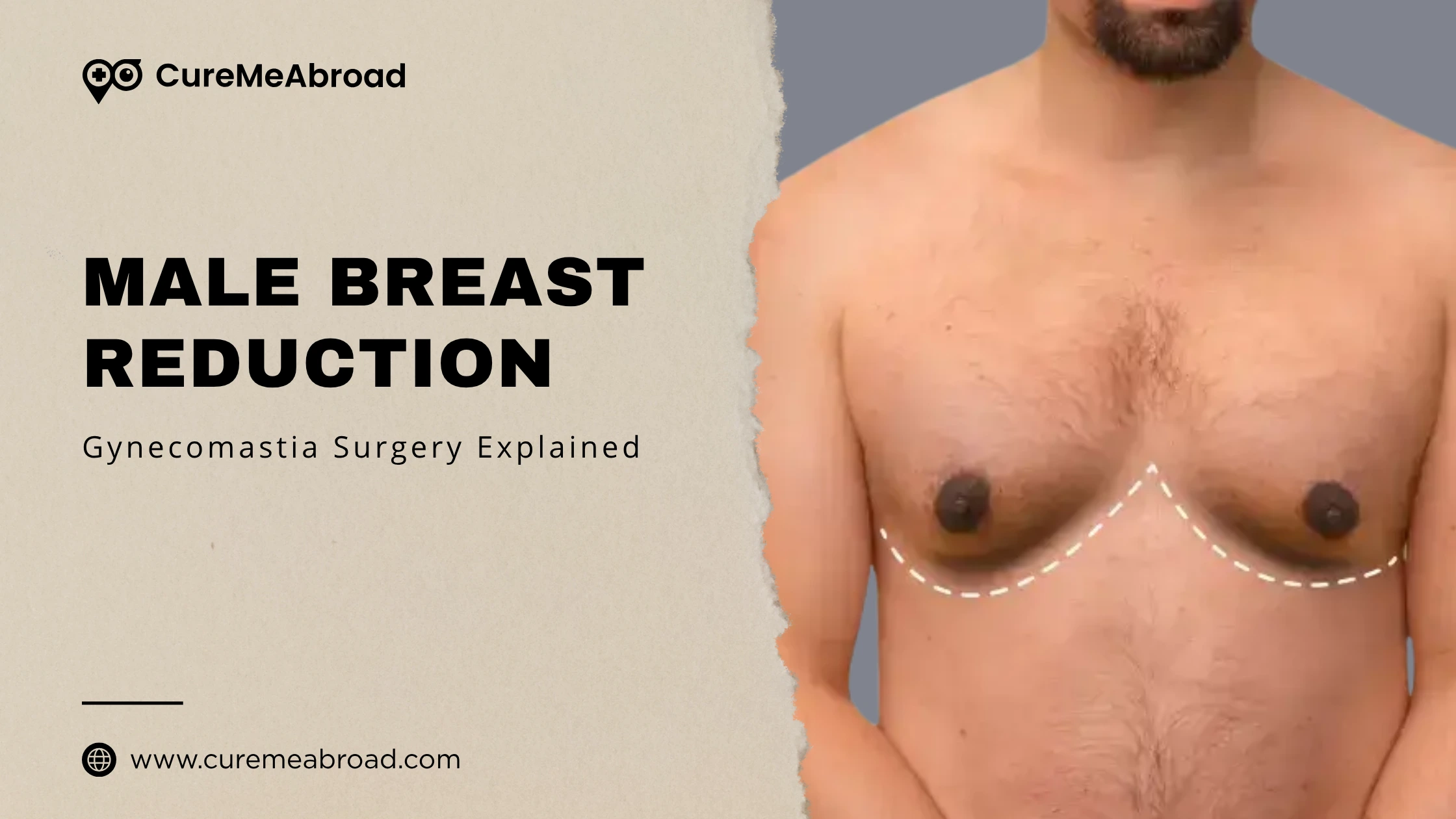
Gynecomastia, characterized by the enlargement of breast tissue in men, is a common condition that influences millions worldwide. For many, this can lead to self-consciousness and emotional distress, affecting everyday life and confidence. Fortunately, male breast reduction surgery has become a trusted, effective solution to this problem, offering men the chance to regain a firm and masculine chest contour. Over the years, advances in surgical techniques have made male breast reduction safer, less invasive, and with quicker recovery times. What was once considered a taboo or hidden procedure is now widely accepted and sought after, reflecting broader societal acceptance of male cosmetic surgery and body positivity.
What is Male Breast Reduction?
Male breast reduction is a surgical procedure aimed at correcting gynecomastia by removing the excess glandular tissue, fat, and sometimes skin that causes the appearance of enlarged breasts in men. This surgery sculpts the chest to restore a flatter, more traditionally masculine shape that aligns with the patient's body and lifestyle goals. Unlike mere weight loss or exercise, male breast reduction directly addresses the tissue responsible for breast enlargement. The procedure can involve different surgical methods depending on the composition and extent of the tissue, with the ultimate goal of creating a natural and aesthetically pleasing chest profile.
Causes of Gynecomastia
Gynecomastia develops due to an imbalance between estrogen and testosterone in the body, where the effects of estrogen lead to growth of breast tissue in males. Hormonal fluctuations during puberty often cause temporary gynecomastia, but persistent cases are seen in adults due to various causes such as aging, medication side effects, or underlying health conditions. Beyond hormones, factors like obesity contribute to apparent breast enlargement by adding fatty deposits in the chest area. Certain medications like medications, illicit drugs (cannabis , opioid overuse) , liver or kidney disease, and genetic predispositions also play notable roles. Because of this diversity in causes, a careful diagnosis is essential before considering male breast reduction surgery.
Medications which can cause gynecomastia:
- Digoxin: used for heart failure patients , has estrogen like effects
- Isnoniazid: Anti Tuberculosis drug
- Spironolactone: Diuretic drug , potent anti androgenic
- Ketoconazole: Anti fungal drug
- Omeprazole (proton pump inhibitors): used for acidity and gastric reflux
If your doctor has put you on any of these medications , you need to be aware of the possible side effect of gynecomastia and immediately report to your doctor.
Impact on Quality of Life
Men suffering from gynecomastia often report diminished self-esteem and feelings of embarrassment related to their physical appearance. This can manifest in avoidance of tight-fitting clothing, reluctance to participate in activities like swimming, or social withdrawal, all of which severely impact mental health. Male breast reduction surgery does more than change the body; it restores confidence and allows men to engage fully in life without the distress caused by their condition. The emotional relief attained through surgery is often described as life-changing by patients who previously felt limited by gynecomastia.
Candidacy for Male Breast Reduction Surgery
Suitable candidates for this surgery include men who have persistent breast enlargement after puberty that does not improve through weight loss or medical treatment. Those who experience emotional or physical discomfort due to their enlarged breasts and are in good overall health may also consider surgery. It is important for patients to have realistic expectations and understand that surgery is designed to improve chest contour, not necessarily to achieve perfection. A thorough medical evaluation helps to identify any underlying issues that might need treatment alongside or prior to surgery.
Methods of Male Breast Reduction Surgery
The approach to male breast reduction surgery depends largely on the type and amount of tissue causing breast enlargement. Liposuction tends to be preferred when excess fat is the main contributor; this minimally invasive method allows for targeted fat removal with small incisions and less visible scarring. Excision surgery is necessary when dense glandular breast tissue must be removed, especially in cases where there is significant skin redundancy or firmness. Many patients benefit from a combined technique involving both liposuction and tissue excision for comprehensive reshaping of the chest.
The Surgical Process: Step-by-Step
Typically, male breast reduction is performed as an outpatient procedure under local anesthesia with sedation or general anesthesia. The surgeon begins by marking the exact areas for incision and treatment, ensuring precise contouring tailored to the patient’s anatomy. Next, the surgeon removes the targeted tissue using liposuction and/or excision techniques, meticulously sculpting the chest to create symmetry and a natural appearance. The incisions are closed carefully to minimize scarring, and patients are fitted with a compression garment to support healing and proper tissue adaptation.
Recovery and Aftercare
Recovery from male breast reduction generally involves manageable swelling, tenderness, and bruising, which begin to subside within a week. Patients are advised to avoid strenuous physical activity for at least three to four weeks to allow proper healing and maintain optimal results. Wearing a compression garment as directed helps reduce swelling and supports the chest contour during the healing process. Follow-up appointments with the surgeon ensure that recovery progresses smoothly and allow for early intervention should complications arise.
Risks and Potential Complications
Like any surgical procedure, male breast reduction carries some risks including bleeding, infection, and temporary changes in nipple sensation. There can also be asymmetry or contour irregularities that sometimes require revision surgery. Fortunately, complications are rare when patients follow pre- and post-operative instructions carefully and have their surgery performed by an experienced board-certified plastic surgeon. Awareness and proper care are key to minimizing these risks and ensuring a successful recovery.
Expected Results and Longevity
The results of male breast reduction are typically long-lasting because the glandular tissue removed during surgery does not regrow. However, maintaining a healthy weight and avoiding substances such as anabolic steroids are essential for sustaining results. Patients often experience a dramatic improvement in chest shape and firmness, enhancing not only their physical appearance but also their psychological wellbeing. Most describe renewed confidence and comfort in their daily lives post-surgery.
Psychological and Social Benefits
The psychological impact of male breast reduction is significant. Many patients report a reduction in social anxiety and enhanced self-image, empowering them to participate freely in activities they once avoided. As society becomes more open toward men's cosmetic procedures, men seeking male breast reduction can expect community support and understanding, which helps normalize and destigmatize the condition and its treatment.
Trends in Male Breast Reduction: 1990s to 2020s
Male breast reduction has shifted dramatically in its popularity and approach since the 1990s. Back then, it was an uncommon, rarely discussed surgery limited by societal stigma and less advanced techniques. In the 2000s and 2010s, improved liposuction and excision methods led to broader acceptance and more patients seeking surgery openly. In the 2020s, male breast reduction is mainstream with highly refined, minimally invasive technologies allowing faster recoveries and better outcomes. The procedure is now recognized as a key component of men’s health and aesthetics.
Evolution of Male Breast Reduction (1990s–2020s)
| Decade | Surgical Techniques | Social Acceptance | Recovery Duration | Key Trends and Notes |
|---|---|---|---|---|
| 1990s | Basic excision, rudimentary liposuction | Low acceptance, stigma attached | Extended, with visible scars | Procedure rare, limited awareness |
| 2000s | Improved liposuction, better excision | Growing awareness, more open | Moderate recovery | Increased patient willingness |
| 2010s | Minimally invasive, combined methods | Increasing mainstream acceptance | Shortened recovery | Surgery seen as normal cosmetic treatment |
| 2020s | Advanced technology, hybrid techniques | High acceptance, normalized | Rapid outpatient recovery | Elevated demand, improved aesthetics |
Lifestyle After Surgery
For sustained success after male breast reduction, men are encouraged to maintain a balanced lifestyle with healthy eating and regular exercise. Weight gain can compromise results, so weight management is crucial. Avoiding medications or substances that influence hormone levels is also advised. Regular follow-ups with the surgeon help monitor long-term success and address any concerns promptly.
Preparing for Male Breast Reduction Surgery
Preparation involves a comprehensive health evaluation and detailed discussions with the surgeon about expectations and procedural details. Optimizing one’s physical condition before surgery, including quitting smoking and adjusting medications, enhances safety and recovery. Understanding the surgical process and recovery timeline empowers patients to plan appropriately and achieve the best possible outcome from male breast reduction surgery.
Conclusion
Male breast reduction is a transformative and life-enhancing surgery that addresses the physical and psychological challenges caused by gynecomastia. Thanks to significant advancements in surgical techniques and changing social attitudes, it is now a safe, popular, and effective option for men seeking a more masculine chest contour. If gynecomastia is affecting physical comfort or mental wellbeing, male breast reduction offers a lasting solution backed by medical expertise and patient satisfaction. Consulting with a qualified plastic surgeon is the first step toward renewed confidence and improved quality of life.
Frequently Asked Doubts
Is male breast reduction surgery permanent? Yes, the results are generally permanent because the excess glandular tissue is removed. However, significant weight gain, hormonal changes, or use of certain medications may cause breast tissue to return.
Will there be visible scars after surgery? Some scarring is inevitable, but modern techniques focus on placing incisions along natural creases or the edge of the areola, making scars far less noticeable over time.
How painful is the recovery process? Most patients experience mild to moderate discomfort, swelling, and bruising in the first few days. Pain is usually manageable with prescribed medications and steadily improves during the first week.
Can gynecomastia come back after surgery? Recurrence is uncommon if underlying causes are addressed. Risk of recurrence increases with significant weight gain, steroid or drug use, or hormonal imbalances.
How long will it take to return to normal activities? Light activities can usually resume within a few days. Most patients return to work in about a week, while strenuous exercise and heavy lifting are restricted for three to four weeks.
Will I lose nipple sensation after surgery? Temporary numbness is common, especially if tissue is removed near the nipple. Sensation typically returns within weeks or months, but rarely, some loss of sensation can be permanent.
What type of anesthesia is used for male breast reduction? Either local anesthesia with sedation or general anesthesia can be used, depending on the extent of surgery and patient preference.
Can one breast be operated on without the other? Yes, if gynecomastia affects only one side, surgery can be performed just on the enlarged breast to achieve symmetry.
Do I need to wear a compression garment after surgery? Yes, a compression garment should be worn as directed to reduce swelling, support tissues, and help achieve the best final contour during recovery.
What are the risks or complications of male breast reduction? Risks include bleeding, infection, asymmetry, poor scarring, changes in sensation, and, rarely, revision surgery if results are unsatisfactory. Choosing an experienced, qualified surgeon helps minimize complications.