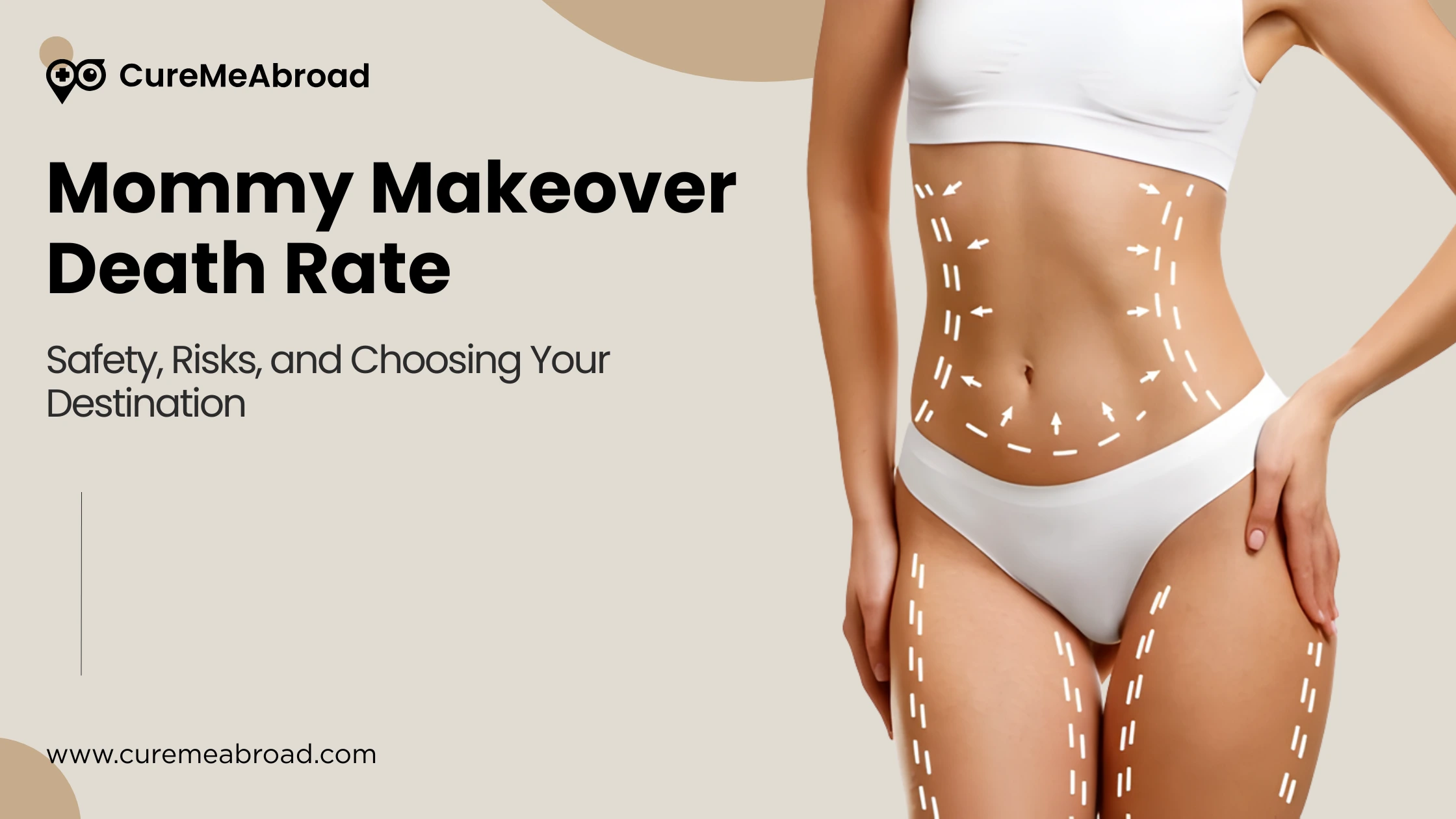
Deciding to have a Mommy Makeover is a deeply personal and often life-changing choice. But like any major surgery, it comes with important questions about safety, particularly concerning the death rate. While every surgical procedure carries a risk, understanding the statistics, potential complications, and what constitutes a safe environment is crucial for informed decision-making. We'll explore the facts and guide prioritizing your well-being.
What Is a Mommy Makeover?
A Mommy Makeover is not a single procedure but a customized combination of surgeries designed to restore a woman’s body to her pre-pregnancy state. Pregnancy, childbirth, and breastfeeding often leave behind changes that are resistant to diet and exercise, such as separated abdominal muscles, deflated breasts, and stubborn fat pockets. The makeover targets these areas comprehensively in a single operative session.
Common Procedures Included in a Mommy Makeover
The specific procedures are always tailored to the individual's needs, but the most common components typically include:
Abdominoplasty (Tummy Tuck): This is essential for repairing separated abdominal muscles (diastasis recti) and removing excess, stretched skin and stretch marks, resulting in a flatter, firmer midsection.
Breast Enhancement: This often involves a Breast Lift (Mastopexy) to address sagging and reposition the nipple/areola, and/or Breast Augmentation to restore lost volume using implants.
Liposuction: Used to remove localized, stubborn fat deposits, commonly from the flanks, hips, back, and thighs, to refine the body's overall contour.
Why Women Choose This Combined Surgery
The primary motivation is reclaiming a pre-pregnancy figure and the confidence that comes with it. Changes like a sagging tummy, loose skin, or loss of breast volume can be emotionally draining. Women choose the Mommy Makeover to:
Address multiple concerns simultaneously that cannot be fixed through non-surgical means alone.
Resolve functional issues like back pain and poor posture caused by weakened core muscles from diastasis recti.
Boost self-esteem and feel more comfortable and confident in their clothing and daily life.
Achieve a harmonious and proportionate result by treating the entire torso as a single aesthetic unit.
Benefits of Getting Multiple Procedures at Once
The most significant draw is the consolidated downtime. Instead of enduring multiple recovery periods each requiring time off work, arranging childcare, and managing post-operative discomfort, the patient undergoes just one major recovery. This drastically reduces the total time commitment needed to achieve their final aesthetic goals, which is a major benefit for busy mothers.
Secondly, a single surgical session means a single exposure to general anesthesia. Reducing the total number of times a patient is placed under general anesthesia is a key safety measure. Furthermore, combining procedures under one umbrella can often lead to cost savings. Packaging the surgeries means only paying a single fee for the surgical facility, anesthesia services, and pre-operative testing, which is substantially less than the cumulative cost of paying for each procedure individually.
Finally, a combined approach often yields a more cohesive and balanced aesthetic outcome. Since the surgeon is addressing the breasts, abdomen, and often the flanks and back simultaneously, they can sculpt the torso as an integrated unit, ensuring the results of the tummy tuck perfectly complement the new breast contour. This holistic approach guarantees a smoother, more proportionate, and overall more satisfying final transformation.
Understanding Mommy Makeover Death Rate
While a Mommy Makeover is a highly effective way to achieve aesthetic goals, it is essential to approach the procedure with a sober understanding of the risks, including the very rare, but real, risk of mortality. A responsible decision-making process involves looking past sensationalism and understanding the actual statistical context of surgical safety.
What Does “Death Rate” Mean in Cosmetic Surgery?
In the medical field, the death rate or mortality rate refers to the ratio of deaths that occur within a specific time frame (often 30 days) following a particular surgical procedure, usually expressed as a percentage or a fraction (e.g., 1 in 10,000).
For cosmetic surgery, particularly a combined procedure like a Mommy Makeover, the specific rate is difficult to cite precisely for several reasons:
Variability: A Mommy Makeover is not a standardized operation. The combination (e.g., Tummy Tuck + Breast Lift vs. Tummy Tuck + Liposuction + Brazilian Butt Lift) significantly changes the risk profile.
Reporting: Data is often collected from surveys of board-certified plastic surgeons and accredited facilities, meaning statistics may not include procedures performed in non-accredited settings or by non-specialist doctors, which can skew the overall safety picture.
The main causes of perioperative death in cosmetic surgery often involve embolic phenomena, such as a pulmonary embolism (a blood clot traveling to the lungs) or fat embolism (fat particles entering the bloodstream), highlighting the importance of preventative measures and proper surgical technique.
Global Statistics on Mommy Makeover Mortality
When performed by qualified, board-certified surgeons in accredited facilities, the mortality rate for the individual components of a Mommy Makeover remains very low, placing the combined procedure in a relatively safe category among major surgeries.
Abdominoplasty (Tummy Tuck): Studies often cite a mortality rate of approximately 1 in 13,000 procedures.
Liposuction: The mortality rate is typically reported as approximately 1 in 50,000 procedures.
Since a Mommy Makeover combines these procedures, the risk is slightly elevated compared to a single procedure alone. However, the overall mortality rate is generally considered to be in the range of 0.001% to 0.008% (or 1 to 8 deaths per 100,000 procedures) in well-regulated environments. It is important to note that the risk drastically increases when non-standard, high-risk procedures like the Brazilian Butt Lift (BBL) are combined, which can have a significantly higher mortality rate.
Why Death Rate Varies Between Countries and Clinics
The safety statistics are highly sensitive to two crucial factors: the surgeon and the facility. This explains why mortality rates can spike drastically when patients seek surgery outside of established safety standards, often referred to as "medical tourism."
Surgeon Expertise and Credentials: A Board-Certified Plastic Surgeon has undergone rigorous, specialized training focused on safe surgical techniques, anatomy, and complication management. Using a physician who is not board-certified in plastic surgery, or who lacks experience with complex combination procedures, dramatically increases risk.
Facility Accreditation: Surgery should be performed in a hospital or an accredited surgical center (such as one accredited by AAAASF, JCAHO, or similar national bodies). These accreditations guarantee access to necessary emergency equipment, sterile environments, and qualified anesthesia providers. Unlicensed clinics often lack these life-saving resources.
Procedure Duration: Extended surgical time is a proven risk factor for complications. Procedures lasting longer than 5-6 hours are associated with an increased risk of blood clots and other issues. Reputable surgeons plan combinations carefully to stay within safe time limits.
Patient Selection: Responsible surgeons prioritize patient health. Operating on a patient with significant pre-existing conditions (e.g., uncontrolled diabetes, severe obesity, or a history of blood clots) or on a smoker can inherently increase the mortality risk, regardless of the procedure's location.
Are Mommy Makeovers Safe? Realistic Risk Assessment
The question of "Are Mommy Makeovers safe?" has a clear answer: Yes, they are generally safe when performed on a healthy, well-vetted patient by an experienced, board-certified plastic surgeon in an accredited surgical facility.
The key to a realistic risk assessment is understanding that safety is not absolute but relative. The risks are extremely low in a controlled, professional environment, but they increase dramatically when corners are cut (e.g., unqualified surgeons, non-accredited facilities). The most common risks are minor complications like seroma (fluid collection), hematoma (blood collection), or infection, with the risk of death being extremely rare (on par with or lower than many other common surgeries).
Safety When Done in Accredited Hospitals or Surgical Centers
The physical location of the surgery is one of the most critical factors influencing safety. Accredited facilities (hospitals or outpatient surgery centers certified by bodies like AAAASF, JCAHO, or AAAHC) are non-negotiable for high-level safety.
Strict Standards: Accreditation means the facility meets rigorous national standards for equipment, sterility, patient care, and staffing. They are essentially inspected to ensure they are prepared for every emergency.
Emergency Protocol: Accredited centers have life-saving equipment, proper monitoring, and established protocols for handling emergencies like severe allergic reactions or cardiac events. This is especially vital since complications can arise unexpectedly.
Anesthesia: In these settings, anesthesia is provided by Board-Certified Anesthesiologists or Certified Registered Nurse Anesthetists (CRNAs), who are specialized experts solely focused on monitoring your vital signs throughout the procedure. Studies show that accredited facilities have an extremely low mortality rate (less than 1 in 57,000 procedures).
The Role of Board-Certified Plastic Surgeons
A surgeon's credentials dictate their ability to perform the surgery safely and manage complications if they arise. Always choose a surgeon who is Board-Certified in Plastic Surgery by a reputable national board (e.g., American Board of Plastic Surgery).
Intensive Training: Certification signifies that the surgeon has completed years of specialized training in plastic and reconstructive surgery, which covers the complex anatomy and techniques involved in a combined procedure like a Mommy Makeover.
Complication Management: An experienced, board-certified surgeon is not just skilled at the operation itself, but also at recognizing and treating potential complications promptly. They will properly screen you for risk factors (like smoking, high BMI, or a history of blood clots) and postpone or refuse surgery if the risks are deemed too high.
Experience in Combination: A qualified surgeon knows the safe limits of surgery, particularly concerning total operative time (ideally under 5-6 hours), which is a key factor in reducing the risk of blood clots.
Factors That Increase the Risk in Mommy Makeovers
While the Mommy Makeover is generally safe under optimal conditions, several factors can significantly elevate the risk of complications, including life-threatening ones. Understanding these factors is paramount for both the patient and the surgeon during the pre-operative screening process.
Medical Conditions That Raise Complication Risk
Pre-existing health issues can compromise your body’s ability to heal and fight infection, making surgery riskier. Patients with the following conditions must be medically cleared, and in some cases, may be advised against surgery:
Uncontrolled Diabetes: Impairs circulation and the body's healing response, increasing the risk of infection and poor wound healing.
Cardiovascular Disease: Conditions like hypertension (high blood pressure) or a history of heart issues increase the risk of perioperative cardiac events.
History of Blood Clots (Thrombophilia/DVT/PE): This is one of the most serious risk factors, as surgery itself increases the chance of forming Deep Vein Thrombosis (DVT), which can travel to the lungs as a life-threatening Pulmonary Embolism (PE).
Obstructive Sleep Apnea (OSA): Can complicate anesthesia and recovery, particularly concerning breathing during the initial post-operative period.
BMI, Age, and Lifestyle Factors
Your current body state and habits play a major role in surgical risk. Reputable surgeons will often require patients to optimize these factors before proceeding.
High BMI (Body Mass Index): A BMI over 30 or, in some cases, over 35, significantly increases the risk. Higher BMIs are associated with increased risk of infection, wound separation, and blood clots. Most surgeons require patients to be within a healthy, stable weight range (ideally a BMI under 30) for at least six months before surgery.
Smoking/Nicotine Use: Smoking is a major contraindication for any surgery, particularly tummy tucks. Nicotine constricts blood vessels, dramatically impeding blood flow to the skin and tissues. This results in extremely high rates of poor wound healing, skin necrosis (tissue death), and severe complications. Smokers must quit entirely for a minimum of four to six weeks before and after surgery.
Advanced Age: While age alone is not a contraindication, older patients may have a greater prevalence of underlying medical conditions (comorbidities), necessitating a more rigorous medical clearance process.
Dangers of Non-Accredited Clinics and Underqualified Surgeons
This factor is arguably the most significant driver of increased mortality in elective cosmetic surgery.
Non-Accredited Clinics: These facilities often lack the mandatory safety features of accredited surgical centers, such as:
Proper sterile environments lead to higher infection rates.
Necessary emergency equipment (defibrillators, specialized airway kits) for immediate resuscitation.
Trained emergency staff on a clear, immediate transfer protocol to a nearby hospital.
Underqualified Surgeons: A surgeon who is not certified by a recognized Plastic Surgery board may lack the specialized training required to handle complex anatomy, perform the procedure correctly, or, critically, manage a life-threatening complication when it occurs. Non-specialists often have less experience with large-volume liposuction or combined procedures, both of which carry a higher risk.
Risks Related to General Anesthesia and Long Surgery Duration
While general anesthesia is extremely safe today, its risks and the risks of prolonged surgery are cumulative in a Mommy Makeover.
Long Surgery Duration: The accepted safety threshold is typically 5 to 6 hours. Procedures that exceed this time frame show a marked increase in the risk of:
Deep Vein Thrombosis (DVT) and Pulmonary Embolism (PE): Lying still for extended periods allows blood to pool, promoting clot formation.
Hypothermia and Electrolyte Imbalances: Longer surgery stresses the body's core functions.
General Anesthesia Risks: While low, these risks include reactions to anesthetic agents and, in rare cases, cardiovascular complications. This risk is managed by having a dedicated, certified Anesthesia Provider (Anesthesiologist or CRNA) monitoring the patient throughout the entire procedure.
How to Choose the Right Destination: Safety & Due Diligence
For a Mommy Makeover, the choice of destination is less about the country's name and more about the standards, regulations, and credentials of the specific surgeon and facility. Prioritizing low cost often comes at the expense of safety, which is why a critical approach to "medical tourism" is mandatory.
USA: The Gold Standard for Regulation
The United States offers the most robust and consistent regulatory environment, making the risk profile extremely low:
Board Certification: Surgeons must be certified by the American Board of Plastic Surgery (ABPS). This guarantees years of standardized, specialized training.
Accreditation: Surgeries are overwhelmingly performed in accredited facilities (AAAASF, JCAHO, AAAHC), which are regularly inspected for adherence to strict emergency and hygiene protocols.
The Drawback: Cost. The high regulatory burden and malpractice insurance costs translate into a much higher price tag, which drives many patients abroad.
Mexico: High-Quality vs. High-Risk
Mexico is a major hub, but safety is polarized:
Safety varies: You can find internationally accredited, excellent hospitals in major cities like Cancun or Guadalajara. You can also find unlicensed, unsterile clinics.
Verification is Key: Patients must personally verify that the surgeon is a member of a recognized plastic surgery association (e.g., AMCPER). Relying on an agency's word is insufficient.
Mortality Risk: The Centers for Disease Control and Prevention (CDC) has specifically noted clusters of deaths among U.S. citizens traveling to certain regions (like the Dominican Republic, a similar hub) for cosmetic surgery, often due to embolic events (blood clots/fat emboli) in non-accredited settings.
Turkey: Volume and Value
Turkey offers highly attractive, all-inclusive packages:
Accreditation: Many large Turkish hospitals seek international accreditations like JCI (Joint Commission International). This is the gold standard for verifying quality abroad.
High Volume: The high volume of surgeries can sometimes translate into longer surgical hours and potentially rushed post-operative care, both of which increase risk, especially the risk of DVT/PE (blood clots).
Post-Op Responsibility: The risk of severe complications often arises after the patient flies home. Ensure your package includes clear, accessible, and high-quality remote or local follow-up care.
Thailand: Trusted Hospitals, Travel Risk
Thailand has a mature and well-regarded medical tourism industry:
Quality Control: Top hospitals in Bangkok and other major cities are often JCI-accredited and offer world-class standards of care.
The Travel Risk: The major safety concern is the long-haul flight back home. Air travel significantly increases the risk of blood clot formation (DVT) in the legs, which can lead to a fatal Pulmonary Embolism (PE) if the clot breaks off. Patients must strictly adhere to the surgeon's minimum no-fly period (often 7-10 days post-tummy tuck) and take prophylactic measures (blood thinners, compression stockings, walking).
India
India possesses many highly skilled, often Western-trained, plastic surgeons:
Facility Standard: Safety hinges on choosing hospitals with national (NABH) or international (JCI) accreditation, as facility standards can vary widely outside of major private hospital chains.
Language/Follow-up: While many surgeons speak excellent English, communication with nursing staff and during remote follow-up can sometimes be a challenge.
Due Diligence: Never choose a surgeon or clinic based on price alone. Verify credentials and insist on a virtual consultation with the actual surgeon before booking.
Key Steps to Ensure Your Safety
To minimize the Mommy Makeover death rate and complication risks, follow these non-negotiable rules, especially when choosing an international destination:
Surgeon Verification: Choose a surgeon who is Board-Certified in Plastic Surgery by a recognized international board (e.g., ABPS, or a national equivalent that requires rigorous training).
Facility Accreditation: Surgery must be performed in an accredited hospital or surgery center (Look for JCI for international safety). Never in a simple office setting.
Anesthesia Professional: Ensure a dedicated, certified Anesthesiologist or CRNA is present throughout the entire procedure.
Realistic Limits: If the surgeon plans a procedure lasting over 6 hours or involving large-volume liposuction, seek a second opinion or consider staging the surgeries.
Post-Op Travel: Do not fly for at least 7–10 days after the procedure. Factor this necessary rest time into your travel plan.
Medical Clearance: Be 100% honest about your medical history, and complete all required pre-operative testing. If you are a smoker, you must quit.
How to Reduce Your Risk: Patient Safety Checklist
Risk reduction is an active process that begins long before you enter the operating room. Taking personal responsibility for optimizing your health and vetting your surgical team are the most powerful measures you can take to minimize the Mommy Makeover mortality risk.
Pre-operative Medical Clearance
You must be cleared for surgery by a medical doctor unaffiliated with your chosen surgeon or clinic, preferably your own primary care physician.
This clearance should confirm that all your vital organs (heart, lungs, kidneys) are functioning adequately and that any existing conditions (e.g., high blood pressure) are well-controlled.
This step ensures you are not carrying an undiagnosed risk factor into the surgery that could lead to a severe complication under anesthesia.
BMI Optimization and Weight Stability
This is a key factor in preventing wound complications and blood clots.
Strive for a BMI under 30. If your BMI is higher, your surgeon should require you to lose weight before the procedure.
You should be at a stable weight for at least six months prior to surgery. Yo-yo dieting or recent rapid weight loss/gain is a contraindication, as it suggests the body is under stress.
Avoiding Smoking, Alcohol, and Certain Medications
Strict adherence to a substance-free period is vital for healing and clot prevention.
Smoking/Nicotine: You must cease all nicotine consumption (including patches and vaping) for a minimum of 4-6 weeks before and after surgery. Nicotine is a vasoconstrictor that guarantees poor healing and potential skin necrosis (tissue death).
Alcohol: Heavy alcohol consumption should be ceased for several weeks pre-op as it can interfere with anesthesia, clotting, and hydration.
Medications: Stop taking all blood-thinning medications and supplements (e.g., Aspirin, Ibuprofen, Vitamin E, fish oil) two weeks prior, as directed by your surgeon, to minimize the risk of excessive bleeding and hematomas.
Planning Sufficient Recovery Time Abroad
Don't rush your return journey, especially after a tummy tuck, which has the highest risk of blood clots.
Minimum Stay: Plan to stay near your surgical facility for at least 7 to 10 days post-surgery. This period allows the surgeon to monitor the most critical, high-risk recovery phase and address any immediate complications.
No Early Flights: Absolutely avoid long-haul flights immediately after surgery. Prolonged immobility on a plane significantly increases the risk of Deep Vein Thrombosis (DVT), which can become a fatal Pulmonary Embolism (PE).
Activity: Plan for gentle walking and mobility as soon as your surgeon allows. Movement is one of the best ways to prevent blood clots.
Recovery After a Mommy Makeover
Recovery is arguably the most crucial phase of a Mommy Makeover, where many common complications can be avoided or managed. Proper adherence to post-operative instructions is just as important as the quality of the surgery itself.
Typical Healing Timeline
Recovery from a Mommy Makeover is generally longer and more involved than recovery from a single procedure because your body is simultaneously healing from multiple surgeries (abdomen, breasts, and potentially liposuction sites).
Days 1–5 | Peak Discomfort: Pain is highest and managed with medication. Drains are typically still in place. Movement is slow and limited. Patient must walk slightly bent over (hunching) to avoid stressing the abdominal incision. The risk of blood clots is highest.
Weeks 1–2 | Drains Removed: Usually between days 5–10. Bruising and swelling are significant but are peaking. Can stand up straighter. Light activity (walking) is encouraged. No lifting or strenuous activity.
Weeks 3–6 | Return to Work/Light Activity: Most patients can return to a sedentary job by week 3. Swelling slowly subsides. Can typically discontinue pain medication. Light cardio may be permitted by the surgeon after week 4-6.
3–6 Months | Return to Full Activity: Can gradually resume strenuous exercise, heavy lifting, and abdominal workouts. Scars start to fade. Most significant swelling has resolved.
1 Year | Final Results: Scars have matured. The final shape and contour are visible.
Warning Signs of Complications
Monitor your body closely and contact your surgical team immediately if you notice any of the following signs, as they could indicate a non-life-threatening but serious complication:
Excessive Bleeding: Saturating dressings frequently or bleeding that doesn't stop with gentle pressure.
Persistent Fever: A temperature above 101.5°F (38.6°C) that doesn't respond to medication, which could indicate a developing infection.
Sudden Increase in Swelling/Pain: Localized, intense swelling or pain, potentially accompanied by hardness, which could signal a hematoma (blood collection) or seroma (fluid collection).
Foul Odor/Discharge: Any yellowish, green, or foul-smelling discharge from incisions is a sign of infection.
When to Seek Emergency Care
These signs are indicative of potentially life-threatening emergencies, most commonly Pulmonary Embolism (PE) or severe infection, and require immediate transport to an emergency room or hospital:
Shortness of Breath (Dyspnea): Sudden difficulty breathing, or feeling like you can't catch your breath.
Chest Pain: Sudden, sharp, or persistent pain in the chest, especially when inhaling.
Calf Pain/Swelling: Intense, localized pain, redness, warmth, and swelling in one calf, often a sign of Deep Vein Thrombosis (DVT), a potential precursor to PE.
Altered Mental Status: Sudden confusion, dizziness, or fainting.
Cost vs. Safety: Finding a Balance
The desire for a Mommy Makeover often involves balancing the expense of the procedure with the need for safety. While cost is a major factor, it should never be the primary driver of your decision.
Why Some Countries Offer Lower Prices
The substantial difference in price between the US/Western Europe and medical tourism destinations is not primarily due to inferior surgical skill. It is largely due to three economic factors:
Lower Cost of Living: Salaries for surgeons, nurses, and administrative staff are often significantly lower.
Lower Infrastructure Costs: The cost of building, maintaining, and insuring a surgical facility is dramatically reduced.
Lower Malpractice Insurance: The legal environment in many countries results in much lower (or non-existent) malpractice insurance premiums, which are a major component of surgical fees in the US.
Hidden Costs You Must Consider
Focusing only on the quoted surgical price can lead to major financial shocks if a complication arises.
Flights and Extended Stay: If complications occur, you may be required to extend your stay abroad, leading to unexpected costs for accommodation, food, and rebooking flights.
Complication Treatment Back Home: If a complication (e.g., severe infection, wound separation) is noticed after you return, your local doctor or hospital may refuse to treat it or will charge a high price, as it is a complication from a procedure performed by an outside surgeon.
Revisional Surgery: If the initial result is poor or a major complication (like significant skin death) occurs, you will need to pay the cost of the original surgery plus the full cost of a revisional surgery back home.
Safety Measures Included in Premium Packages
In a reputable environment, a "premium package" is not about luxury it’s about comprehensive safety that minimizes the mortality risk. These elements are non-negotiable investments:
Certified Anesthesia: The cost covers a dedicated, board-certified Anesthesiologist or CRNA.
Accredited Facility Fee: This fee ensures the operating room meets strict safety standards, is fully sterilized, and is stocked with life-saving equipment.
Extended Post-Op Monitoring: Includes overnight stays in a monitored facility (not a hotel) for the first 24–48 hours, which is the most critical time for stabilization.
DVT/PE Prophylaxis: Includes measures like sequential compression devices (SCDs) used during surgery and often pre- and post-op blood thinner medications to actively prevent blood clots.
Conclusion: Prioritizing Safety Over Price
A Mommy Makeover is a major investment in your body, your confidence, and your health. The ultimate goal should be a successful procedure with a smooth recovery, not just the lowest price tag. The decision to proceed should always weigh the statistical risk factors against the quality and integrity of the surgical environment. Safety is the only acceptable premium.
Key Questions for Your Surgeon: The Safety Checklist
When you are interviewing a potential surgeon, especially in a foreign country, use this list to vet their commitment to safety and complication prevention, particularly the life-threatening risk of blood clots (DVT/PE).
"Where exactly will my surgery be performed, and what is the facility's accreditation (e.g., JCI, AAAASF, or national equivalent)?"
"Will a Board-Certified Anesthesiologist or CRNA be dedicated to monitoring me for the entire duration of the procedure?"
"What is your protocol for DVT/PE (blood clot) prevention during the surgery? (e.g., Do you use Sequential Compression Devices (SCDs) and/or prescribe prophylactic anticoagulants/blood thinners?)"
"What is the maximum surgical time limit you adhere to for a Mommy Makeover, and how do you decide which procedures to combine safely?"
"If a life-threatening complication were to occur (e.g., pulmonary embolism), what is the immediate transfer protocol, and is there a full hospital/ICU on-site or immediately accessible?"
"What is the minimum number of days you require me to stay in the recovery destination before flying, and why?"
"What is included in the total cost regarding post-operative care, including managing minor complications like seroma or infection during the initial recovery period?"
By demanding clear, verifiable answers to these questions, you transition from being a simple patient to being an informed consumer, drastically reducing the risks associated with Mommy Makeovers and making your ultimate choice the safest one possible.
FAQ: Mommy Makeover Safety & Mortality
What is the real death rate of a mommy makeover?
The death rate for a Mommy Makeover, which typically combines a tummy tuck and breast surgery, is very low when performed by a board-certified plastic surgeon in an accredited facility.
Statistical Range: Globally, and in well-regulated environments (like the USA), the mortality rate for combined procedures is estimated to be in the range of 0.001% to 0.008% (or 1 to 8 deaths per 100,000 procedures).
Key Driver of Risk: This rate increases significantly when non-standard procedures (like a high-volume Brazilian Butt Lift (BBL)) are added, when the operation time exceeds 6 hours, or when performed in non-accredited, unregulated clinics.
Is a mommy makeover surgery safer abroad or in my home country?
Generally, a Mommy Makeover is safest in your home country (like the USA, Canada, or Western Europe), provided you choose a board-certified surgeon and an accredited facility.
Home Country Advantage: Offers the highest, most consistent regulatory standards, clear accreditation for facilities, and immediate, accessible follow-up care if complications arise.
Abroad (Medical Tourism) Risk: Safety is highly variable. While world-class surgeons and hospitals exist, the risk increases dramatically due to:
Inconsistent Regulation: Difficulty verifying surgeon credentials and facility accreditation.
Early Travel: The high risk of Pulmonary Embolism (PE) from long, prolonged air travel soon after a major body surgery.
Which procedure in a mommy makeover is riskiest?
The Abdominoplasty (Tummy Tuck) component is generally considered the procedure that contributes the most to the overall risk in a standard Mommy Makeover.
Reason: The procedure involves extensive tissue manipulation, which requires prolonged immobility and often involves operating deep in the torso, leading to a higher risk of Deep Vein Thrombosis (DVT), which can break off and cause a Pulmonary Embolism (PE) the leading cause of death in elective cosmetic surgery.
The Exemption: If a Brazilian Butt Lift (BBL) is added, it immediately becomes the riskiest procedure. Safe BBL is possible, but incorrect, deep muscle fat injection has the highest mortality rate among all cosmetic surgeries.
How can I lower my complication risk?
You can significantly lower your risk by taking proactive steps before, during, and after your surgery:
Pre-Operative Health: Achieve a BMI under 30, stop all nicotine use (smoking, vaping) at least 4-6 weeks before and after surgery, and get full medical clearance.
Surgeon/Facility: Choose a board-certified plastic surgeon and an accredited surgical center (e.g., JCI, AAAASF).
Clot Prevention: Ensure your surgeon utilizes Sequential Compression Devices (SCDs) during surgery and prescribes prophylactic blood thinners where appropriate.
Post-Operative Care: Prioritize early mobilization (walking) and adhere strictly to the no-fly period advised by your surgeon (usually 7–10 days).
Can I combine more procedures safely?
It depends entirely on the total surgical time. Combining more than two major procedures (Tummy Tuck, Breast Surgery, and significant Liposuction) dramatically increases the risk if the operation exceeds 6 hours.
Safety Limit: Reputable surgeons will refuse to combine procedures that will push the surgical time past the 5-to-6-hour limit.
Staging: If you have many areas to address, the safest approach is often staging (breaking the procedures into two separate surgical sessions with a few months of recovery in between). This reduces the risk of blood clots, excessive bleeding, and the strain on your body.