
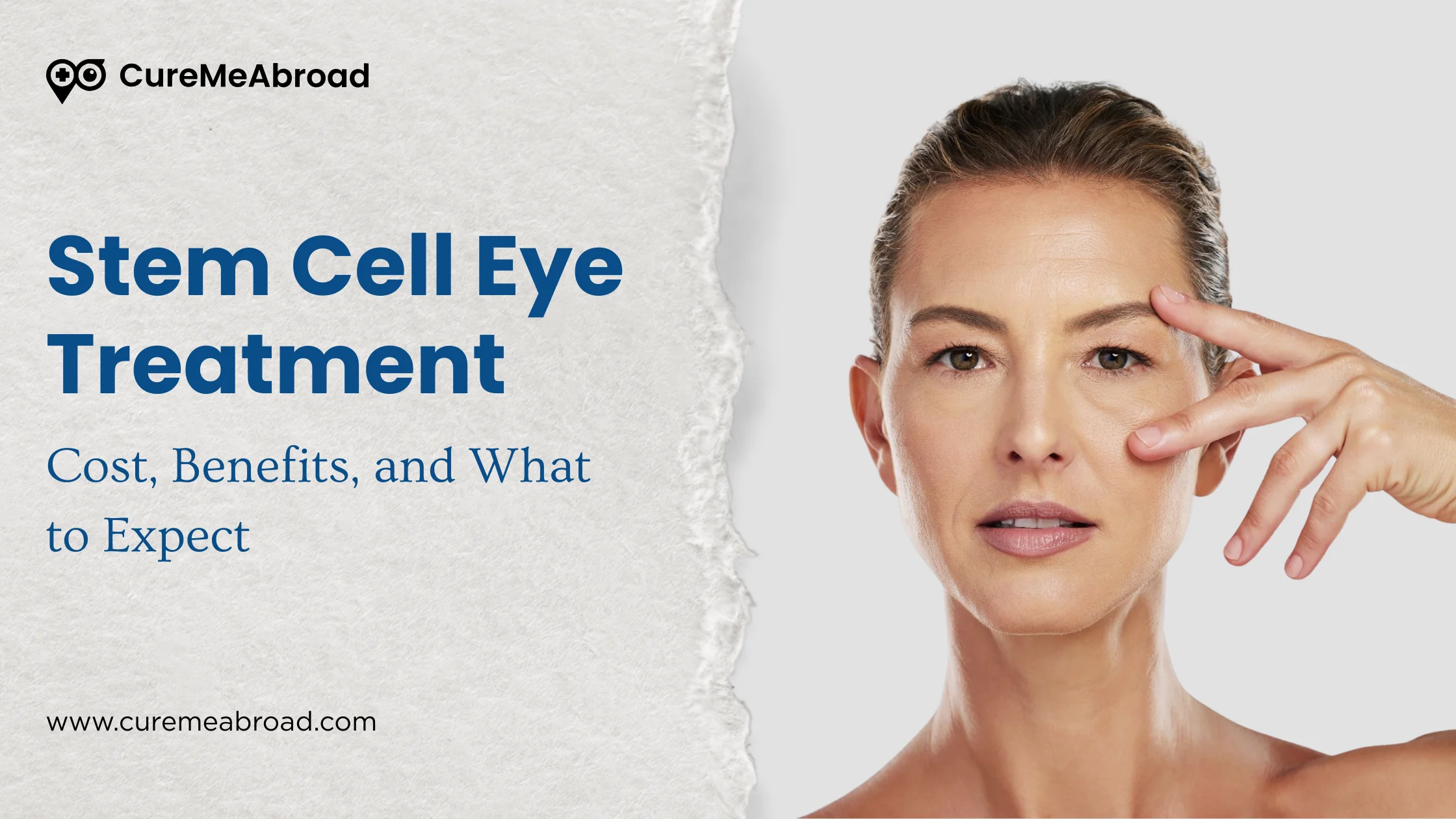
A lot of patients are facing the challenge of progressive vision loss, the world of medicine is constantly evolving and offers new advancements . Stem cell therapy for the eyes is one of the most exciting and rapidly advancing fields in regenerative medicine. This blog post will break down the essential details from how it works to what it costs in a clear, patient-friendly way.
How Does Stem Cell Eye Treatment Work?
Stem cells are the body's natural "master cells." They have the unique ability to develop into various specialized cells, such as nerve cells, or to aid in repairing damaged tissue.They can self renew and differentiate into specialised cells In the context of eye diseases, stem cell treatment works primarily through two main mechanisms:
Replacement and Regeneration: For conditions like Macular Degeneration or corneal damage, stem cells can be guided to become the specific damaged cells (like Retinal Pigment Epithelial cells) and then transplanted to replace the lost or non-functioning cells, potentially restoring visual function.
Neuroprotection and Repair (Paracrine Effect): In conditions such as glaucoma or Retinitis Pigmentosa, stem cells can be injected into the eye, where they release powerful anti-inflammatory and "trophic" factors.
These are special signals that:
- Protect the existing, viable cells (like the optic nerve or photoreceptors) from further damage.
- Rescue cells that are sick or struggling.
- Reduce damaging inflammation in the eye.
The goal is to halt or slow the progression of the disease and, in some cases, improve existing vision.
Conditions Treated with Stem Cell Therapy for the Eyes
Stem cell therapy offers promise for a range of ocular conditions, often those with few traditional treatment options:
- Age-Related Macular Degeneration (ARMD): Both the "wet" and "dry" forms.
- Retinitis Pigmentosa (RP) and Stargardt Disease: Genetic disorders causing progressive vision loss.
- Glaucoma and Optic Nerve Atrophy (ONA): To protect and potentially regenerate damaged optic nerve cells.
- Corneal Damage/Limbal Stem Cell Deficiency (LSCD): To repair and regenerate the transparent front surface of the eye, often following chemical burns or severe injuries.
- Diabetic Retinopathy: To help repair damaged retinal blood vessels and improve retinal function.
How Much Does Stem Cell Eye Treatment Cost?
The cost of stem cell eye treatment can vary significantly depending on the location and the specifics of the protocol. This is one of the main reasons patients look into medical tourism.
General Cost Range (Per Eye / Per Treatment Protocol):
- Developed Nations (e.g., USA, Western Europe): Costs typically range from $10,000 to over $35,000 USD or more, often limited to clinical trials due to regulatory restrictions.
- Medical Tourism Destinations (e.g., India, Mexico, Panama): Costs are significantly lower, generally ranging from $6,000 to $25,000 USD. This substantial saving often allows patients to afford multi-session protocols that may be necessary for chronic conditions.
Does Insurance Cover Stem Cell Therapy for Eyes?
Generally, no. Since many stem cell treatments for eye conditions are considered experimental or investigational outside of approved clinical trials, most private insurance plans and government healthcare programs do not cover the cost. Patients are usually responsible for the entire expense, which makes the cost-effectiveness of international treatment centers very attractive.
Factors Affecting the Cost of Stem Cell Eye Treatment
Understanding these variables helps you budget accurately:
- Specific Eye Condition: Treating corneal damage (a simpler local procedure) vs. an advanced retinal disease (requiring more complex cell processing and injection).
- Major Type of Stem Cell Used: Autologous (your own cells) requires a harvesting procedure; Allogeneic (donor cells) requires donor screening/banking.
- Treatment Protocol: Single injection vs. a multiple-injection series over several days/weeks. The number of cells administered.
- Clinic/Surgeon Expertise: Highly renowned, internationally accredited clinics with advanced facilities and leading specialists charge a premium. Moderate
- Geographic Location: Treatment cost in countries with lower operational overhead is significantly less than in the US or Europe.
What Does the Stem Cell Therapy Cost Include?
A comprehensive treatment price should generally cover the core medical steps:
- Initial specialist consultations and full eye exams.
- The procedure for harvesting and/or processing the stem cells.
- Culturing and preparation of the cells in a certified lab (GMP lab).
- The actual cell transplantation/injection procedure into the eye.
- Medications that are administered during the procedure.
- Short-term post-procedure monitoring.
Additional Stem Cell Therapy Costs: And How All-Inclusive Packages Make a Difference
When budgeting, remember to account for costs outside the medical procedure itself:
- Travel & Accommodation: Packages often include flights, luxury accommodation, and local transport to/from the clinic.
- Pre-Treatment Diagnostics: Packages can bundle necessary blood tests, imaging (OCT, visual fields), and other scans.
- Medical Travel Support: Packages include a dedicated patient coordinator, translation services, and visa/logistics assistance.
- Follow-up Care: Some packages include a follow-up consultation and medication or post-treatment supplies.
Choosing an all-inclusive medical tourism package simplifies the entire process and provides cost predictability.
Stem Cell Types Used for Eye Treatment
Clinics generally use two main types of adult stem cells:
Mesenchymal Stem Cells (MSCs): These are the most common for eye treatment due to their powerful anti-inflammatory and neuroprotective properties. They can be sourced from:
- Autologous (Patient's Own): Bone marrow (BM-MSCs) or adipose (fat) tissue (AD-MSCs). Low rejection risk.
- Allogeneic (Donor): Umbilical cord tissue (UC-MSCs) or placental tissue. High volume, regulated cells.
Induced Pluripotent Stem Cells (iPSCs): These are mature cells (like skin cells) that have been reprogrammed back into a stem cell state, then guided into specific retinal or corneal cells. This is a highly advanced technique, currently used primarily in select global clinical trials for regeneration.
Stem Cell Research and Success Rates
Research for corneal disorders, such as Limbal Stem Cell Deficiency (LSCD), has shown high success rates (often over 70%) in restoring the corneal surface, with some procedures being clinically approved in certain regions.
For complex retinal and optic nerve diseases (like AMD, RP, and Glaucoma), the goal is often stabilization and functional improvement. Clinical trials often report:
- Stabilization: Patients who previously experienced rapid decline often report that their vision loss has stopped or slowed significantly.
- Vision Improvement: A percentage of patients, particularly those with Retinitis Pigmentosa, have reported meaningful improvements in visual acuity or stability six to twelve months post-treatment.
- Safety: Modern, regulated protocols are generally safe, with a low incidence of serious side effects.
Crucial Note: Success is measured on a case-by-case basis. Your treating physician will discuss realistic expectations based on the severity and duration of your specific condition.
How to Choose the Best Stem Cell Clinic for Eye Treatment
This is the most critical step for a medical traveler:
- Prioritize Accreditation: Look for international accreditation like Joint Commission International (JCI) or other recognized bodies. This verifies the clinic meets global standards of care.
- Verify Experience: Ensure the medical team has extensive, verifiable experience specifically in ophthalmic stem cell treatments, not just general stem cell therapy.
- Ask About Labs: Confirm the stem cell processing laboratory is Good Manufacturing Practice (GMP) compliant, which guarantees the quality, safety, and purity of the cells.
- Demand Transparency: The clinic should provide an itemized cost breakdown and clearly explain the scientific rationale behind their specific treatment protocol.
- Look for Dedicated Support: A dedicated medical tourism company and clinic should offer end-to-end support for travel, local logistics, and post-treatment follow-up.
FAQs: What You Need to Know
Is the procedure painful? The stem cell injection into the eye is done under local anesthesia, and patients typically report little to no pain during the procedure. There may be mild, temporary discomfort afterward.
How long does the recovery take? For the eye itself, recovery is typically very fast, often just a few days. The healing and regenerative process of the stem cells, however, takes months, with results often assessed at the 3, 6, and 12-month marks.
Is stem cell eye treatment legal? The legal status varies significantly by country. Many medical tourism destinations offer these treatments under the regulatory framework of that country, which is why verifying the clinic's local certification and accreditation is vital.
Final Takeaway
Stem cell therapy for the eyes is a genuinely transformative area of medicine, offering new possibilities where previous treatments had reached their limits. While the financial investment is significant and insurance coverage is rare, medical tourism offers a pathway to access high-quality, potentially life-changing protocols from experienced specialists at a fraction of the cost of Western healthcare systems. By choosing an accredited clinic and understanding the entire process from the science to the financial commitment, you can move forward confidently on your journey to preserving and potentially enhancing your vision.