
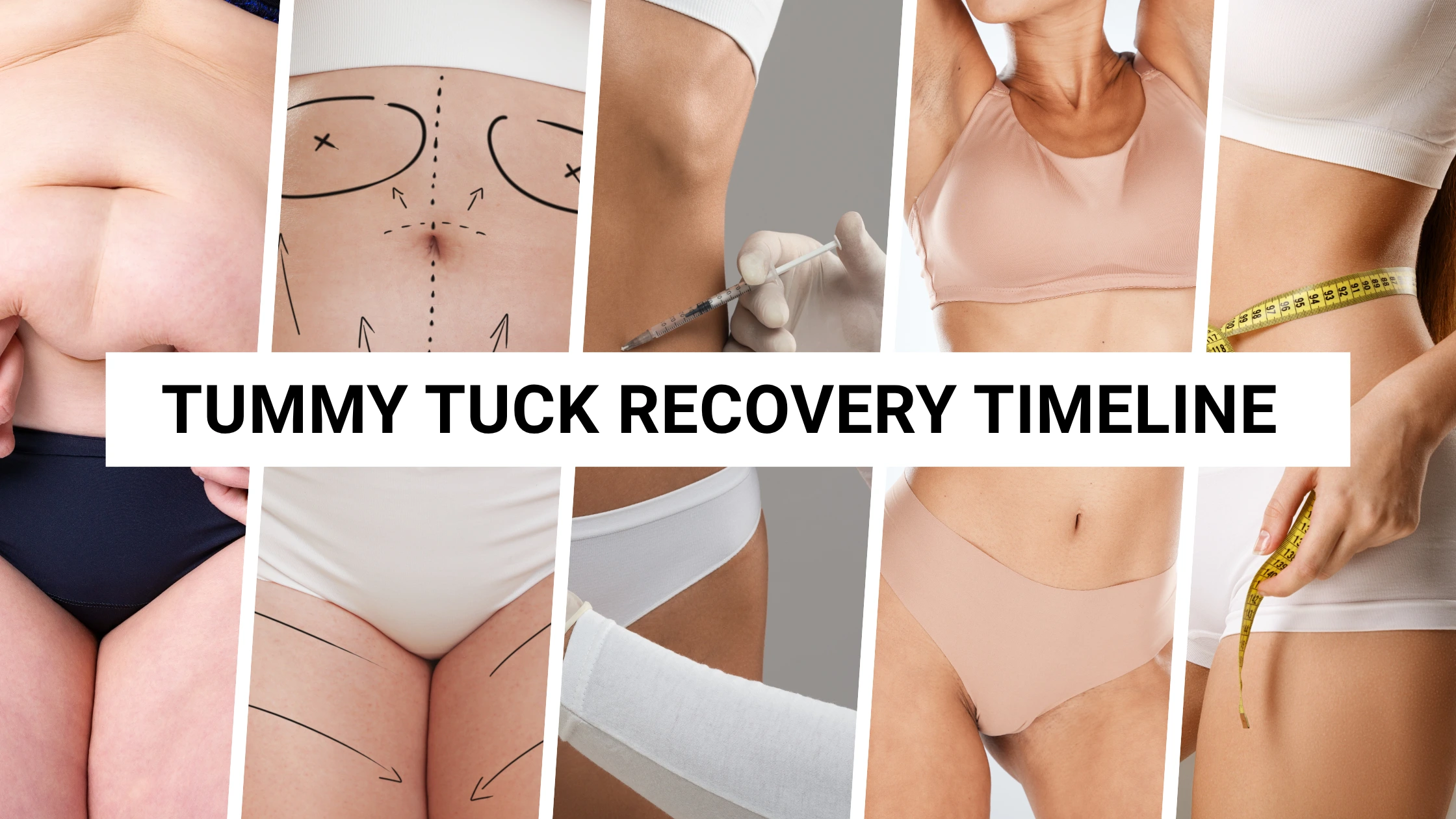
A tummy tuck also called Abdominoplasty, is a cosmetic surgical process that tones the abdominal area .It’s a choice that many people confront after losing a substantial amount of weight, either very fast or after pregnancy. Sometimes stubborn fat and loose skin don’t respond to diet and exercise. Although the procedure can really transform a body and how you feel about it, you must remember surgery is only half the equation. The recovery process is crucial for obtaining the best outcomes. Understanding ahead of time what you can expect before, during and after your tummy tuck surgery can help you prepare you mentally and physically for a more comfortable recovery and long lasting results. The primary types of tummy tuck procedures are:
1. Mini Tummy Tuck
This option is less extensive and involves a shorter incision made between the belly button and the pubic area. Unlike a full tummy tuck, there’s no repositioning of the belly button. Best suited for: Patients with minimal excess skin confined to the lower abdomen.
2. Full Tummy Tuck
This is the most common approach, requiring a longer incision that stretches from hip to hip along the lower abdomen, as well as another around the belly button. This technique allows for significant removal of skin and fat while tightening the abdominal muscles. Best suited for: Patients with loose skin and stretched muscles throughout the abdominal area.
3. Extended Tummy Tuck
This is an advanced version of the full tummy tuck, where the incision extends around the sides and sometimes into the lower back. This procedure is also referred to as high lateral tension abdominoplasty. Best suited for: Patients with excess skin that extends beyond the abdomen extending to the flanks and back.
4. Fleur-de-Lis Tummy Tuck
This more complex procedure employs both a horizontal and vertical incision (T-shaped) to remove significant amounts of excess skin from both the upper and lower abdomen. Best suited for: Individuals facing severe skin laxity, particularly after major weight loss or multiple pregnancies.
5. Circumferential Abdominoplasty
The most extensive type, which goes further than the fleur-de-lis technique by contouring not only the midsection but also including areas like the lower back, buttocks, and sometimes even the upper thighs. Best suited for: Patients needing substantial body re-contouring following extreme weight loss.
6. Endoscopic Tummy Tuck
This minimally invasive method utilizes small incisions and specialized instruments to tighten loose abdominal muscles with little to no removal of skin. Best suited for: Patients with muscle laxity but minimal excess skin.
Tummy Tuck Recovery: What to Expect
Recovery Timeline
Immediately After Surgery
Following the procedure, patients spend 4 to 5 hours in the recovery area for monitoring. Drainage tubes and bandages are placed to help remove excess fluid and aid in healing. Surgeons will provide instructions on wound care, activity restrictions, and medications. Patients should arrange for someone to drive them home and provide care for initial few weeks of recovery.
First Week
The first week is usually the most challenging. Swelling, bruising, and discomfort are common but generally improve after about 3 to 4 days. Pain medications are prescribed to help manage any discomfort. Drainage tubes are typically in place for 5 days, and compression garments support the healing process. It's important to limit physical activity and prioritize rest.
Two Weeks
By the second week, drainage tubes are removed, and swelling and pain have significantly decreased. Light activities can be gradually reintroduced, but strenuous exercise and heavy lifting should still be avoided. Continuing to wear compression garments is recommended to enhance circulation and promote healing.
Three to Four Weeks
Patients can start resuming light daily activities and taking gentle walks during this period. However, high-impact exercises and heavy lifting remain restricted. It's advisable to keep using compression garments and follow your surgeon’s recommendations closely.
Four to Six Weeks
Swelling typically decreases considerably during this time, indicating that healing is progressing well. With your surgeon’s approval, you can slowly increase your activity level and start incorporating more moderate exercises into your routine.
Long-Term Recovery (After 6 Weeks)
Most patients can gradually return to their normal routines and activities by this point. Proper scar care becomes important, including avoiding direct sunlight to prevent pigmentation changes.
Three to Six Months
By six months post-surgery, swelling and bruising usually resolve completely, leaving a smooth and contoured abdomen. The full results become visible during this time, but maintaining a healthy lifestyle remains essential for long-term success.
Recovery Tips
Follow Your Surgeon’s Instructions Take care of your incisions, wear compression garments, adhere to prescribed medications, and attend follow-up appointments.
Rest and Sleep Strive for 7–8 hours of quality sleep. Elevate your upper body and bend your knees slightly to ease abdominal strain.
Pain Management Use prescribed medications as directed to alleviate discomfort.
Gentle Movement Short walks can enhance circulation and help prevent blood clots, but steer clear of strenuous activities.
Cold Compress Applying a cold compress can help minimize swelling during the first few days; just be sure to avoid direct contact with the skin.
Healthy Diet Focus on consuming fruits, vegetables, lean proteins, and whole grains to aid in healing. Limit your intake of salt, sugar, and processed foods.
Hydration Aim to drink 2–3 liters of water each day.
Avoid Smoking and Alcohol Refrain from smoking and drinking alcohol at least four weeks before surgery and continue this for 2–3 months afterward.
Gradual Exercise Slowly reintroduce physical activity while following your surgeon’s advice.
Emotional Well-Being Mood swings are common; exercise patience and seek support if necessary.
Scar Care Keep your incisions clean, dry, and shielded from sunlight; use any recommended scar treatments as directed.
Follow-Up Appointments Regular check-ups are crucial for monitoring your healing process and addressing any concerns promptly.
FINAL THOUGHTS
A tummy tuck is more than just a cosmetic procedure; it represents a transformative journey that combines surgical skill with attentive recovery. While the surgery effectively removes excess skin and fat while tightening abdominal muscles, achieving optimal results relies equally on following postoperative care instructions, maintaining a healthy lifestyle, and giving your body ample time to heal.
Recovery experiences vary for each person, but understanding the timeline from initial rest and wound care to gradually resuming daily activities can help set realistic expectations and minimize complications. Patience, guidance from a qualified surgeon, and a supportive environment are vital for ensuring a smooth recovery and lasting results.
Ultimately, a tummy tuck can enhance both physical appearance and self-confidence, but its success is greatest when paired with healthy habits, thoughtful planning, and a commitment to self-care throughout the recovery process.