
With social media influencing beauty standards more than ever, cosmetic surgery terms have broken into everyday conversations. Among the most popular acronyms floating around is BBL. If you’ve seen this term trending on TikTok, Instagram, or even used casually in conversations, you may be wondering: What Does BBL Mean?
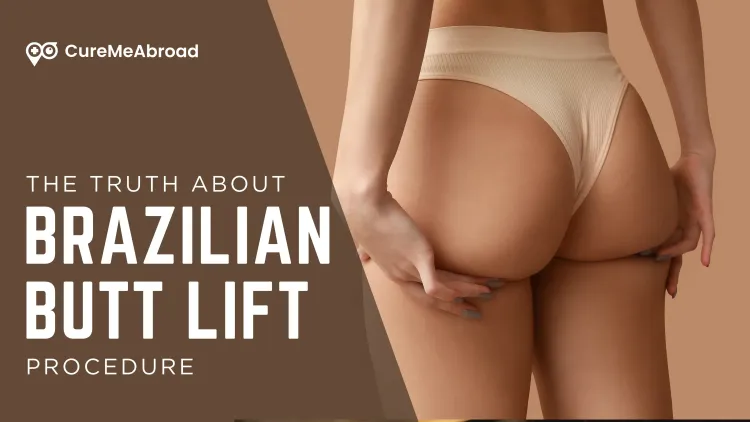
At its core, BBL stands for Brazilian Butt Lift, a cosmetic surgery procedure that has rapidly gained global popularity. But beyond the catchy acronym and glamorous Instagram results, there is a lot more to understand from how the surgery is performed to the risks it carries and whether it might be the right option for you.
This article takes a comprehensive look at the Brazilian Butt Lift, giving you the real breakdown of what it involves, why it has become so popular, and the truths you should know before considering it.
What Does BBL Mean?
So, let’s start with the basics: What Does BBL Mean?
BBL = Brazilian Butt Lift.
Despite the name, a Brazilian Butt Lift isn’t exactly a "lift" in the traditional surgical sense. A facelift or breast lift involves tightening skin and repositioning tissues. By contrast, a BBL is more of an enhancement and reshaping procedure that uses your body’s own fat to increase the size and roundness of your buttocks.
The term originates from Brazil, the country long associated with curvy silhouettes and body-positive beauty aesthetics. Today, however, the surgery is a global phenomenon, with many seeking it to achieve what’s popularly known as the “hourglass figure.”
How the Brazilian Butt Lift Procedure Works
A Brazilian Butt Lift involves fat redistribution rather than implants. Its process can be broken down into three important stages:
Fat Removal Through Liposuction
Surgeons begin by removing fat from selected donor areas using liposuction. Common donor areas include the abdomen, thighs, flanks (“love handles”), or even the back.
Purification of Fat
Once harvested, the removed fat goes through a purification process. This step ensures only healthy, usable fat cells are reintroduced into the body.
Fat Transfer into the Buttocks
Finally, the purified fat is carefully injected into different layers of the buttocks in strategic locations. This isn’t just about volume but also shaping giving the buttocks a rounder contour while sculpting the surrounding areas for balance.
This dual benefit of slimming some areas and enhancing others is what makes the BBL highly sought after. Patients notice not only fuller buttocks but also a more proportionate figure overall.
Why Has the BBL Become So Popular?
The Brazilian Butt Lift is one of the fastest-growing cosmetic procedures, and its surge in popularity can be explained by several factors:
The Power of Social Media
Platforms like TikTok and Instagram glorify dramatic transformations, often showcasing BBL results with side-by-side before-and-after comparisons. Celebrities and influencers have further boosted its visibility.
Changing Beauty Standards
While past decades leaned toward slimmer body ideals, the current cultural trend emphasizes curves, particularly fuller hips and buttocks. Many see the BBL as a pathway to achieving this aesthetic.
Natural Alternative to Implants
One of the most attractive aspects of a BBL is that it uses your own fat, not synthetic implants. The results typically look and feel more natural, which appeals to patients who want enhancement without foreign materials.
Improved Proportions
Because unwanted fat is removed from areas like the stomach or thighs, patients get a more toned appearance in those areas, while the transferred fat accentuates curves. It’s a two-in-one benefit.
The Risks and Realities of the Procedure
When people first ask, “What does BBL mean?” they often hear only the positive, glamourized version of the answer. But it’s crucial to understand the risks and realities that come with the surgery.
Potential Risks of a BBL:
- Fat Embolism (the biggest risk): If fat is accidentally injected into veins and travels to the lungs or heart, it can cause blockages that are life-threatening.
- Infection: As with any surgery, improper aftercare or poor surgical environments can lead to infection.
- Scarring or Irregular Results: The outcome depends a lot on the technique and the body’s healing process, which means results may be uneven.
- Long Recovery Time: Patients may need to avoid sitting or lying directly on their buttocks for weeks, which can be challenging for work and daily routines.
Because of these risks, medical boards in many countries stress that the Brazilian Butt Lift is among the riskier cosmetic surgeries. That doesn’t mean it can’t be done safely, but it highlights the importance of choosing a highly skilled, board-certified surgeon.
The Recovery Process
Recovery and aftercare play a huge role in the success of the results. Patients are usually advised to:
- Avoid sitting directly on their buttocks for at least 2–4 weeks (special cushions or lying on the stomach are recommended).
- Wear compression garments to help reduce swelling in areas where fat was removed.
- Follow a healthy diet and avoid smoking to improve fat survival rates.
- Gradually return to exercise or strenuous activity after medical clearance.
Full recovery can take several months, and it’s typical for not all of the transferred fat to survive some may be reabsorbed by the body. Still, most patients see lasting improvements if they maintain a stable weight.
Is a BBL Right for You?
How do you know if you’re a good candidate for the Brazilian Butt Lift? Here are some common considerations:
- Adequate Fat Supply: Since the procedure relies on fat transfer, very slim individuals may not have enough fat for harvesting.
- Good General Health: Patients should not have conditions that increase surgical risk.
- Realistic Expectations: A BBL can enhance curves, but results will still be influenced by your natural body shape.
- Commitment to Safe Aftercare: Willingness to follow strict post-op rules, especially avoiding direct sitting, is essential.
For those who meet the criteria, a BBL can be life-changing in terms of body confidence. For others, exploring non-surgical sculpting options might be better.
So, What Does BBL Mean Beyond the Acronym?
At the end of the day, BBL doesn’t just mean “Brazilian Butt Lift.” It represents a cultural phenomenon that reflects how beauty ideals evolve over time. It’s a procedure that merges body reshaping with body-image enhancement, but it also comes with higher-than-average risks compared to many cosmetic surgeries.
Final Thoughts
More than just a viral acronym, it’s a cosmetic procedure that uses fat transfer to sculpt and enhance the buttocks for a curvier, more contoured figure.
The truth is that while the promise of dramatic results is appealing, the Brazilian Butt Lift is not a “quick fix.” It’s a serious surgical process that demands thoughtful consideration, realistic expectations, and a commitment to safety above all else.
If you’re curious about pursuing a BBL, the first step should always be consulting with a board-certified plastic surgeon, asking about their experience, reviewing past case results, and ensuring your health and safety remain the top priorities.