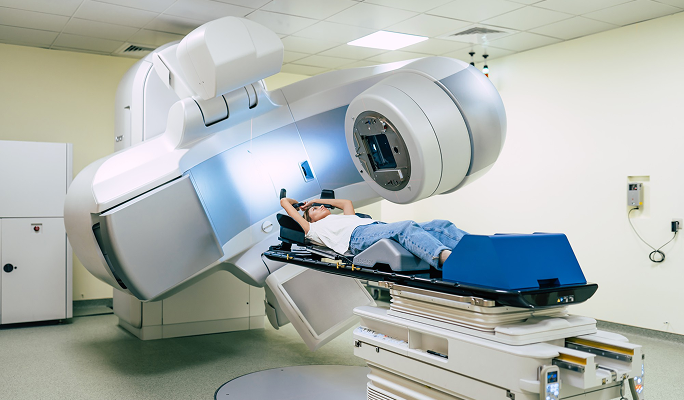
Stereotactic Radiotherapy
93% of Australians have recommended this.
Managing Stereotactic Radiotherapy involves a personalized treatment pathway that could encompass surgery, targeted therapy, immunotherapy, and radiation therapy. Comprehensive care emphasizes early detection, aggressive intervention, and supportive recovery to enhance survival outcomes.
Overview
Managing Stereotactic Radiotherapy involves a personalized treatment pathway that could encompass surgery, targeted therapy, immunotherapy, and radiation therapy. Comprehensive care emphasizes early detection, aggressive intervention, and supportive recovery to enhance survival outcomes.
Procedure Time
Typically takes around 1-2 hours to complete
Recovery Period
Most patients can resume normal activities within a few days
Expected Results
Effective tumor control and minimal side effects
Ideal Candidates
Those with early-stage or metastatic cancer, particularly in the brain, lung, or spine
Things to Check for Stereotactic Radiotherapy Abroad
- Discuss your medical history with your doctor, including any previous radiation therapy or surgery.
- Inform your doctor about any medications you're taking and whether you need to stop them before the procedure.
- Get a thorough physical examination by your doctor to identify any potential issues.
- Confirm that you have a reliable way to get to and from your appointments.
- Make sure you understand the costs associated with the procedure, including any travel expenses.
Risks And Complications of Stereotactic Radiotherapy Abroad
- As with any radiation therapy, there's a small risk of developing a secondary cancer in the future.
- You may experience temporary side effects like fatigue, skin changes, or hair loss during or after treatment.
- There's a slight chance that the radiation could affect your normal tissues or organs, such as the lung or gut.
- In rare cases, stereotactic radiotherapy can cause a condition called radiation-induced hypoparathyroidism (RHIP).
- As with any surgical procedure, there's a risk of bleeding, infection, or reaction to anesthesia.

Symptoms:
From the moment we walked in, everything was top-notch. The staff was warm, attentive, and genuinely passionate about what they do.
Do’s
- ✓Verify surgeon credentials (e.g. ISAPS, JPRAS)
- ✓Ask for before-after photos
- ✓Check language barriers
- ✓Review aftercare and follow-up options
- ✓Consider local laws on medical malpractice
Don'ts
- ✗Don't Choose a Clinic Based Only on Price
- ✗Don't Rely Solely on Social Media or Influencers
- ✗Don't Ignore Language Barriers
- ✗Don't Rush Into Surgery Without Research
- ✗Don't Assume You Can Fly Back Immediately







Cosmetic
Surgeon


Loading...
World’s No. 1 Medical Discovery Platform
CureMeAbroad
Is Absolutely Free
No sales. No commissions.
Just discovery so you can choose what's right for you!
Get Free Consultantion
Schedule Now
No sales. No commissions.
Just discovery so you can choose what's right for you!
This procedure involves specific medical techniques tailored to address particular health conditions. Your doctor will explain the detailed process based on your case.
Eligibility depends on your medical history, current condition, and treatment goals. A consultation and evaluation will determine if you are a suitable candidate.
Preparation may include lab tests, imaging, medication adjustments, fasting, or lifestyle recommendations. Your healthcare provider will give you personalized instructions.
Depending on the nature of the procedure, local, regional, or general anesthesia may be used to keep you comfortable.
Pain and discomfort levels vary, but anesthesia and post-procedure pain management are typically used to ensure your comfort.
Recovery time ranges from hours to weeks depending on the complexity of the procedure and individual response. Your doctor will provide recovery guidelines.
All medical procedures carry some risk. Possible side effects and complications will be explained during your consultation.
Post-care may include medication, dressings, follow-up appointments, and activity restrictions. Your care team will provide a tailored recovery plan.
Visible results may be immediate or gradual depending on the treatment. Your doctor will tell you what outcome to expect and when.
Costs vary by facility, location, and individual requirements. You’ll receive a detailed cost estimate during your consultation.
What does this procedure involve?
12 March 2025
Who is a good candidate for this procedure?
12 March 2025
How should I prepare before the procedure?
12 March 2025
Will I need anesthesia or sedation?
12 March 2025
Is the procedure painful?
12 March 2025
How long does it take to recover?
12 March 2025
What are the potential risks or side effects?
12 March 2025
What post-procedure care will I need?
12 March 2025
When will I see results?
12 March 2025
How much does this procedure cost?
12 March 2025
What does this procedure involve?
12 March 2025
This procedure involves specific medical techniques tailored to address particular health conditions. Your doctor will explain the detailed process based on your case.
Help Me Plan
My
Treatment Abroad
End to End Treatment Planning Specifically curated as per your need. Just a Call away


Book Your Free Medical Consultation
Get expert advice—free and easy. Start your healthcare journey today.